


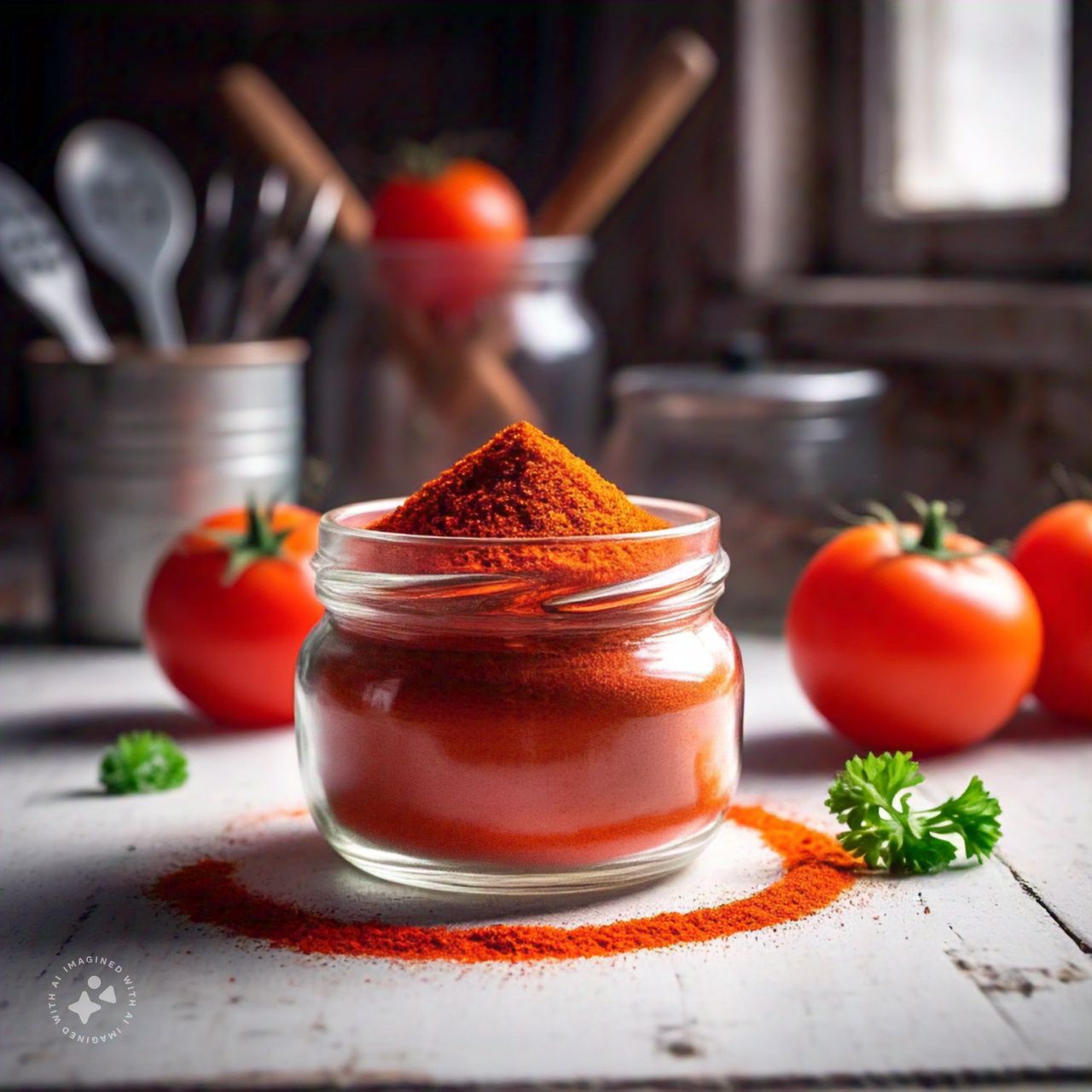
Tomato powder is an excellent pantry staple that adds convenience, nutrition, and flavor to your dishes. Whether you’re a home cook, a chef, or involved in the food production industry, understanding the versatility and advantages of tomato powder can make a significant difference. This blog explores its many benefits, uses, environmental impact, and more, while offering cooking tips, comparisons, and answers to common questions..
What is Tomato Powder?
Tomato powder is made by dehydrating ripe tomatoes and grinding them into a fine powder. The drying process preserves the natural flavors, nutrients, and vibrant color of the tomatoes, making it a convenient substitute for fresh tomatoes in various dishes. It can be used to enhance the flavor of soups, sauces, stews, and many other culinary creations.
Benefits of Tomato Powder
1. Rich in Nutrients
- High in Vitamin C: Tomato powder is a great source of vitamin C, an essential nutrient for boosting immunity and skin health.
- Packed with Antioxidants: The lycopene content in tomato powder acts as a powerful antioxidant, helping protect your cells from damage caused by free radicals.
- Low in Calories: Tomato powder is low in calories, making it a great addition to various dishes for flavor without adding extra fat or sugar.
2. Convenience
- Long Shelf Life: Tomato powder lasts much longer than fresh tomatoes, making it ideal for storage.
- Easy to Use: Just a spoonful can replace fresh tomatoes, saving time in meal preparation.
3. No Preservatives or Additives
- Most high-quality tomato powders are free from artificial preservatives and additives, offering a clean, natural product.
Uses of Tomato Powder
1. Cooking
- Soups & Stews: Add a spoonful of tomato powder to soups and stews for a deep, rich flavor.
- Sauces: Enhance the taste of pasta sauces, curries, and even salad dressings.
- Seasoning: Mix it with other spices to create your own seasoning blends for a flavorful touch in your dishes.
2. Snacks and Sides
- Homemade Chips: Sprinkle tomato powder on potato chips for a tangy, savory twist.
- Tomato Flavored Popcorn: Mix it with melted butter for a tasty popcorn topping.
3. Baking
- Bread & Muffins: Incorporate tomato powder into your baking recipes for a unique flavor and color.
Cooking Tips for Tomato Powder
- Rehydrating: To use tomato powder as a substitute for fresh tomatoes, simply mix it with water. Start with 1 tablespoon of powder to 1/4 cup of water and adjust for your desired consistency.
- Storage: Keep tomato powder in an airtight container in a cool, dark place to maintain its flavor and color.
- Flavor Boost: Combine tomato powder with other spices like garlic powder, onion powder, and herbs to create flavorful seasoning mixes.
Comparison: Tomato Powder vs. Fresh Tomatoes
| Attribute | Tomato Powder | Fresh Tomatoes |
|---|---|---|
| Shelf Life | Long shelf life, up to 1-2 years | Perishable, lasts only 5-7 days |
| Convenience | Easy to store and use | Requires refrigeration and prep |
| Nutritional Value | High in antioxidants and vitamin C | High in water content, but less concentrated |
| Flavor | Rich, concentrated tomato flavor | Fresh and mild flavor |
Seasonal and Holiday Favorites
Tomato powder’s versatility makes it perfect for different seasons and holidays. It can be used in summer barbecue sauces, autumn stews, or winter soups. It’s also a key ingredient in many holiday dishes like stuffing, gravies, and casseroles, making it a pantry staple for year-round enjoyment.
Impact of Food Waste on the Environment
Food waste is a significant environmental issue, with approximately one-third of all food produced globally being wasted. By using products like tomato powder, which has a long shelf life and minimal waste, consumers can reduce food waste and make a positive impact on the environment.
- Reduced Carbon Footprint: Dehydrated products like tomato powder require less transportation energy and generate less waste than fresh produce.
- Waste Reduction: Using preserved ingredients helps avoid the need for disposal of perishable items.
FAQs About Tomato Powder
1. Can tomato powder be used as a substitute for fresh tomatoes in all recipes?
Yes, tomato powder can generally replace fresh tomatoes in most recipes. However, for dishes that require a high moisture content, like salads or fresh salsas, fresh tomatoes may be a better option.
2. How much tomato powder should I use as a substitute for fresh tomatoes?
A typical conversion is 1 tablespoon of tomato powder to 1/4 cup of water, which is equivalent to one medium-sized fresh tomato.
3. Is tomato powder suitable for vegan or vegetarian diets?
Yes, tomato powder is 100% plant-based, making it suitable for both vegan and vegetarian diets.
4. Can I use tomato powder in smoothies?
While it’s not common, you can add a small amount of tomato powder to a smoothie for an added nutrient boost, especially if you’re looking to make a savory beverage.
Conclusion: Why Tomato Powder is a Must-Have
Tomato powder is an incredibly versatile ingredient that can elevate your cooking and provide nutritional benefits. From adding depth of flavor to sauces and soups, to offering a convenient alternative to fresh tomatoes, it’s a staple worth having in your kitchen. Not only is it nutritious, but it also supports sustainability by reducing food waste. With its long shelf life and wide array of uses, tomato powder is a pantry essential for every home cook.
Integrating tomato powder into your meals is an easy way to make cooking more efficient, while also contributing positively to the environment. Give it a try and discover the many ways it can enhance your dishes!

Share:
The Ultimate Guide to Lemon Powder: Benefits, Uses, and More.
The Ultimate Guide to Cheese Powder: Uses, Benefits, and More