
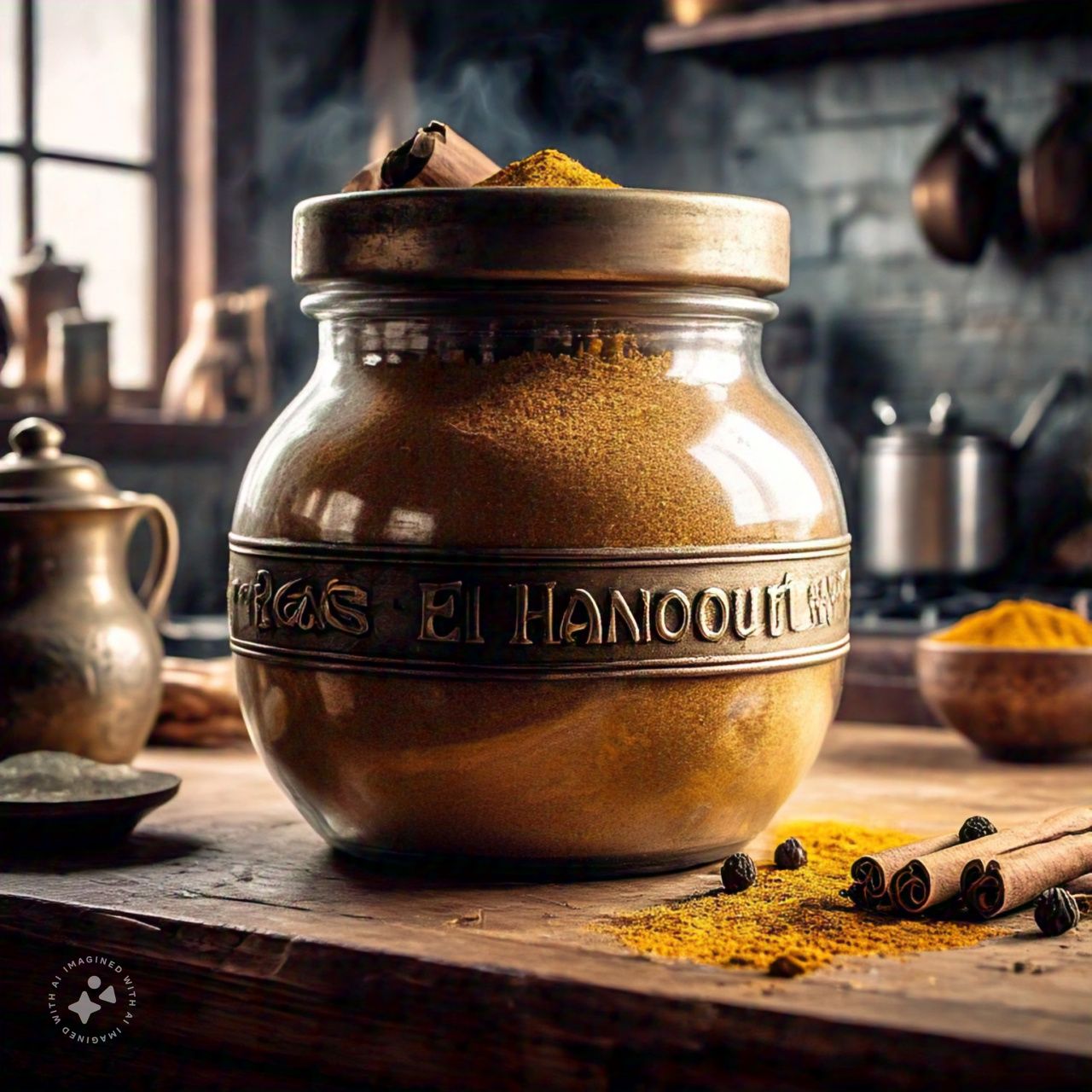
Ras El Hanout is one of the most famous and versatile spice blends from Morocco, adding a rich, aromatic depth to any dish. In this blog, we will explore the origins, benefits, uses, and environmental impact of Ras El Hanout. Whether you're a seasoned cook or just getting started, this blend is a game-changer in your kitchen.
What is Ras El Hanout?
Ras El Hanout is a traditional North African spice blend that combines a variety of spices. Its name, which means "head of the shop" in Arabic, suggests that it is the best spice blend a shopkeeper can offer, containing the finest and most unique ingredients.
The blend typically contains a combination of cumin, cinnamon, coriander, turmeric, cardamom, and many more spices. Each blend can be unique depending on the region and the preference of the maker, but the key to Ras El Hanout is its depth of flavor.
Key Ingredients of Ras El Hanout
- Cumin: Earthy and warm, cumin is a central component of many Moroccan dishes.
- Cinnamon: Adds a sweet, spicy undertone, balancing the heat of other spices.
- Turmeric: Known for its golden color and earthy, slightly bitter flavor.
- Coriander: Fresh and slightly citrusy, it adds a nice contrast to the warmer spices.
- Cardamom: A fragrant and aromatic spice, giving Ras El Hanout its exotic flair.
- Other spices: Some blends may contain peppercorns, cloves, paprika, ginger, and even rose petals.
Benefits of Using Ras El Hanout
- Rich Flavor Profile: The blend of spices creates a well-balanced flavor, combining sweetness, warmth, and mild heat, making it an ideal addition to various dishes.
- Versatile Use: Ras El Hanout works well with many different ingredients like grains, vegetables, tofu, and legumes, making it suitable for a variety of diets, including plant-based cooking.
- Health Benefits: Many ingredients in Ras El Hanout, such as turmeric, are known for their anti-inflammatory and antioxidant properties.
- Reduces Need for Multiple Spices: Using a single blend like Ras El Hanout simplifies meal preparation and reduces the need to stock multiple spices.
How to Use Ras El Hanout in Cooking
Ras El Hanout is a versatile seasoning that can be used in various dishes. Here are some ideas for incorporating it into your meals:
1. Tagines and Stews
- Add Ras El Hanout to tagines (a traditional Moroccan stew) for a fragrant, flavorful dish. It pairs perfectly with root vegetables, legumes, and grains.
2. Roasted Vegetables
- Toss vegetables like carrots, potatoes, and zucchini with Ras El Hanout and olive oil before roasting for a delicious, aromatic side dish.
3. Grilled Vegetables and Tofu
- Rub Ras El Hanout on tofu or vegetables before grilling for a unique, smoky flavor with a touch of spice.
4. Grain Dishes
- Sprinkle Ras El Hanout on quinoa, couscous, or rice to add complexity to your base grains.
5. Soups and Lentil Dishes
- Add a spoonful of Ras El Hanout to soups, especially those made with lentils or chickpeas, for a warming, aromatic flavor.
Frequently Asked Questions (FAQs)
1. Can I Make Ras El Hanout at Home?
Yes! To make your own Ras El Hanout, combine common spices such as cumin, cinnamon, coriander, turmeric, and cardamom. You can adjust the spices to suit your taste.
2. Is Ras El Hanout Vegan-Friendly?
Absolutely! Ras El Hanout contains only plant-based ingredients, making it perfect for vegan and vegetarian diets.
3. How Do I Store Ras El Hanout?
Store your Ras El Hanout blend in an airtight container in a cool, dark place. This will keep the spices fresh and potent for several months.
4. What Dishes Pair Well with Ras El Hanout?
Ras El Hanout pairs wonderfully with Moroccan tagines, roasted vegetables, couscous, stews, and soups. It's also great with plant-based dishes like roasted chickpeas or grilled tofu.
Comparing Ras El Hanout to Other Spice Blends
Ras El Hanout vs. Garam Masala
- Flavor: Garam masala has a sweet-spicy profile dominated by cardamom, cloves, and cinnamon. Ras El Hanout, however, is more balanced with earthy and savory elements like cumin and coriander.
- Cuisine: Garam masala is typically used in Indian cuisine, while Ras El Hanout is commonly found in North African and Moroccan dishes.
Ras El Hanout vs. Curry Powder
- Flavor: Curry powder is dominated by the flavor of turmeric, while Ras El Hanout offers a wider array of spices with a mix of sweet, earthy, and aromatic notes.
- Usage: Curry powder is more commonly used in Indian cooking, whereas Ras El Hanout is used in Moroccan, Mediterranean, and Middle Eastern dishes.
Seasonal and Holiday Favorites with Ras El Hanout
Ras El Hanout is not just for everyday meals. It's also perfect for holiday cooking and seasonal dishes.
1. Winter Comfort Foods
- Add Ras El Hanout to warming soups, stews, and roasted vegetables to provide comfort during the colder months.
2. Summer Grilling
- Use it as a seasoning for vegetables and tofu on the grill during summer barbecues for a bold, flavorful twist.
3. Holiday Meals
- Incorporate Ras El Hanout into holiday stuffing, vegan roasts, or roasted root vegetables to give your festive meals an exotic touch.
Environmental Impact: Reducing Food Waste with Ras El Hanout
Food waste is a significant environmental issue, and incorporating spices like Ras El Hanout can help reduce waste in several ways:
- Long Shelf Life: Spices have a long shelf life when stored properly, helping to minimize spoilage and waste.
- Use of Leftovers: Ras El Hanout can easily be used to revive leftover grains, legumes, or roasted vegetables, giving them new life in exciting new dishes.
- Minimal Packaging: Buying spices in bulk and using them effectively reduces the need for excess packaging and food waste.
Conclusion
Ras El Hanout is more than just a seasoning; it’s a gateway to exploring the complex flavors of Moroccan cuisine. With its versatile uses, numerous health benefits, and potential to help reduce food waste, this spice blend should be a staple in every kitchen. Whether you're cooking a hearty stew, grilling vegetables, or making a flavorful grain dish, Ras El Hanout is sure to elevate your meals. Don't be afraid to experiment with it your taste buds will thank you!

Share:
Spring Roll Seasoning: Elevate Your Dishes with Bold Flavors
Quesadilla Seasoning: The Key to Flavorful, Irresistible Quesadillas