


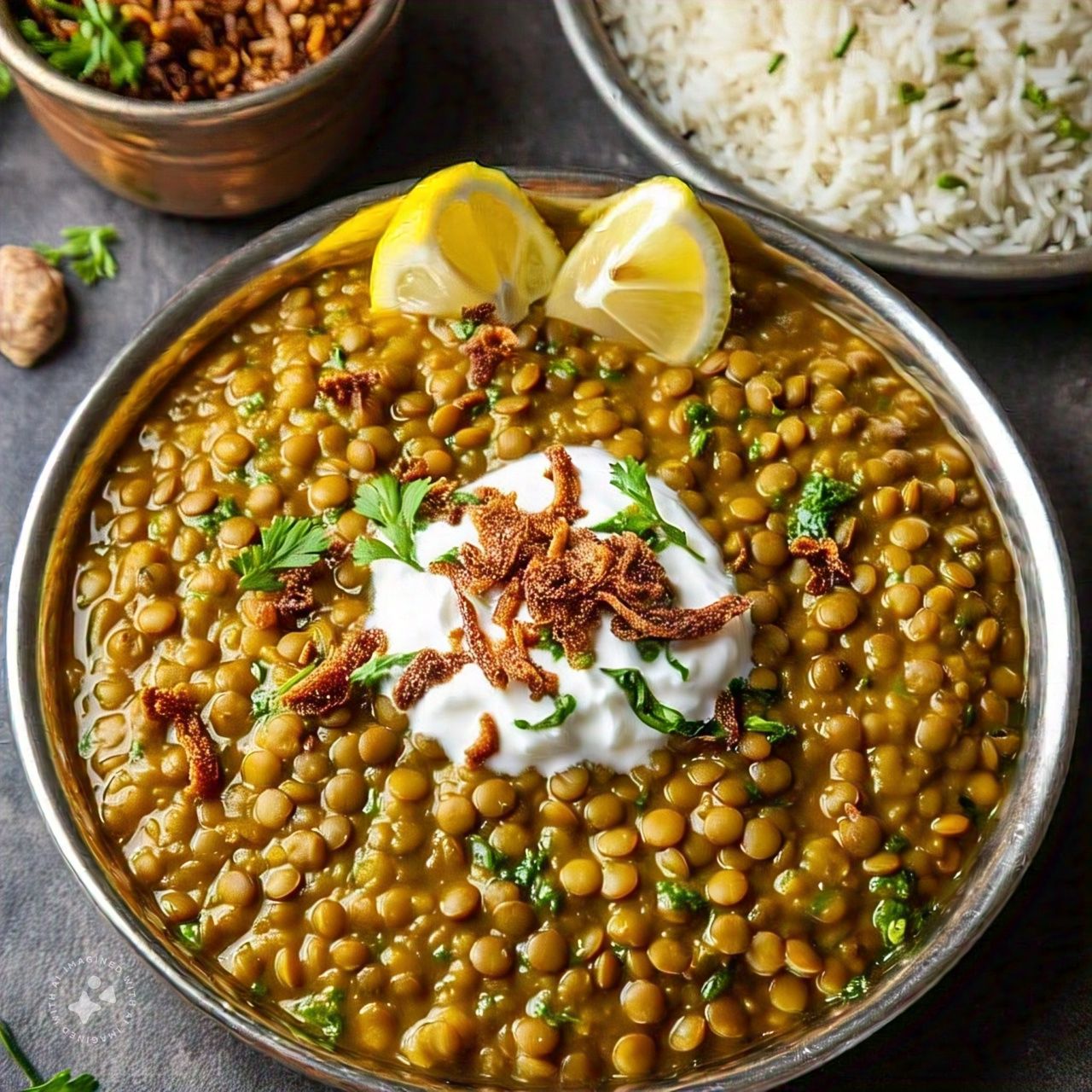
Dhana Dal, a popular Indian snack, is made by roasting coriander seeds and mixing them with salt and other flavorful ingredients. It is a traditional mouth freshener, often served after meals, and is beloved for its unique taste and health benefits.
The Origin and Cultural Significance of Dhana Dal
Where Does Dhana Dal Come From?
Dhana Dal traces its roots to Indian culinary traditions. It has been a staple in Indian households for centuries, known for its digestive properties and role in enhancing the flavors of a meal.
Why is Dhana Dal Important?
-
Traditional value: A symbol of hospitality, often offered to guests.
-
Cultural significance: Associated with festivities, rituals, and Indian festivals like Diwali.
-
Digestive aid: Helps cleanse the palate and aids digestion after heavy meals.
Health Benefits of Dhana Dal
Dhana Dal is not just a tasty treat; it is packed with health benefits:
-
Rich in antioxidants: Coriander seeds are loaded with vitamins and minerals that help combat oxidative stress.
-
Aids digestion: The natural properties of coriander promote a healthy digestive system.
-
Supports weight management: Low in calories, it is a guilt-free snack option.
-
Improves oral hygiene: Acts as a natural mouth freshener.
How to Use Dhana Dal in Everyday Life
Culinary Uses
-
Mouth freshener: A go-to after-meal delight.
-
Topping for dishes: Sprinkle on salads, chaats, or rice dishes for added flavor.
-
Trail mix: Combine with nuts and dried fruits for a healthy snack.
Creative Ideas
-
Seasonal treats: Incorporate into holiday snack platters.
-
Garnish: Add to festive recipes to enhance presentation.
-
DIY gift packs: Mix with other Indian spices and package attractively for gifts.
Cooking Tips for Dhana Dal
To prepare Dhana Dal at home:
-
Choose quality coriander seeds: Fresh and aromatic seeds yield the best results.
-
Dry roast: Gently roast seeds on low heat until golden brown.
-
Add flavor: Mix with pink salt or black salt for an enhanced taste.
-
Store properly: Keep in an airtight container to maintain freshness.
Dhana Dal vs Other Mouth Fresheners
| Feature | Dhana Dal | Fennel Seeds | Cardamom |
|---|---|---|---|
| Primary Flavor | Earthy, nutty | Sweet, aromatic | Spicy, sweet |
| Health Benefits | Digestive aid, antioxidants | Digestive, cooling | Freshens breath |
| Cultural Use | Festive, everyday consumption | Post-meal in Indian cuisine | Often in desserts |
Environmental Impact of Food Waste and How Dhana Dal Helps
-
Low wastage: Dhana Dal uses whole coriander seeds, minimizing waste.
-
Eco-friendly: Homemade preparation reduces packaging waste.
-
Sustainability: Encourages the use of local, organic coriander seeds.
Seasonal and Holiday Favorites
-
Diwali: Serve Dhana Dal alongside sweets and savories.
-
Holi: Pair with gujiya and thandai.
-
Winter warmers: Add to soups or stews for a comforting twist.
News and Information About Dhana Dal
Trending Facts:
-
Increasing popularity of Dhana Dal as a natural digestive.
-
Rising exports of Indian mouth fresheners worldwide.
-
Modern twists on traditional recipes, such as spiced Dhana Dal mixes.
Frequently Asked Questions (FAQs) About Dhana Dal
Is Dhana Dal healthy?
Yes, it is low in calories, rich in antioxidants, and supports digestion.
Can I make Dhana Dal at home?
Absolutely! Roast coriander seeds with salt and store them in an airtight container.
What is the shelf life of Dhana Dal?
When stored properly, it can last up to six months.
Conclusion: Why You Should Try Dhana Dal
Dhana Dal is a versatile, healthy, and flavorful addition to your pantry. Whether you enjoy it as a snack, a garnish, or a digestive aid, its benefits and uses make it a must-try. Support eco-friendly and traditional practices by embracing this humble yet impactful food item.
Call to Action
Discover the authentic taste of India with Dhana Dal. Try making it at home or explore premium options online. Elevate your meals and snack time with this traditional delight today!


Share:
The Ultimate Guide to Sichuan Pepper: Benefits, Uses, and Culinary Tips
Round Chilli: A Flavorful Journey into the World of Circular Spice