


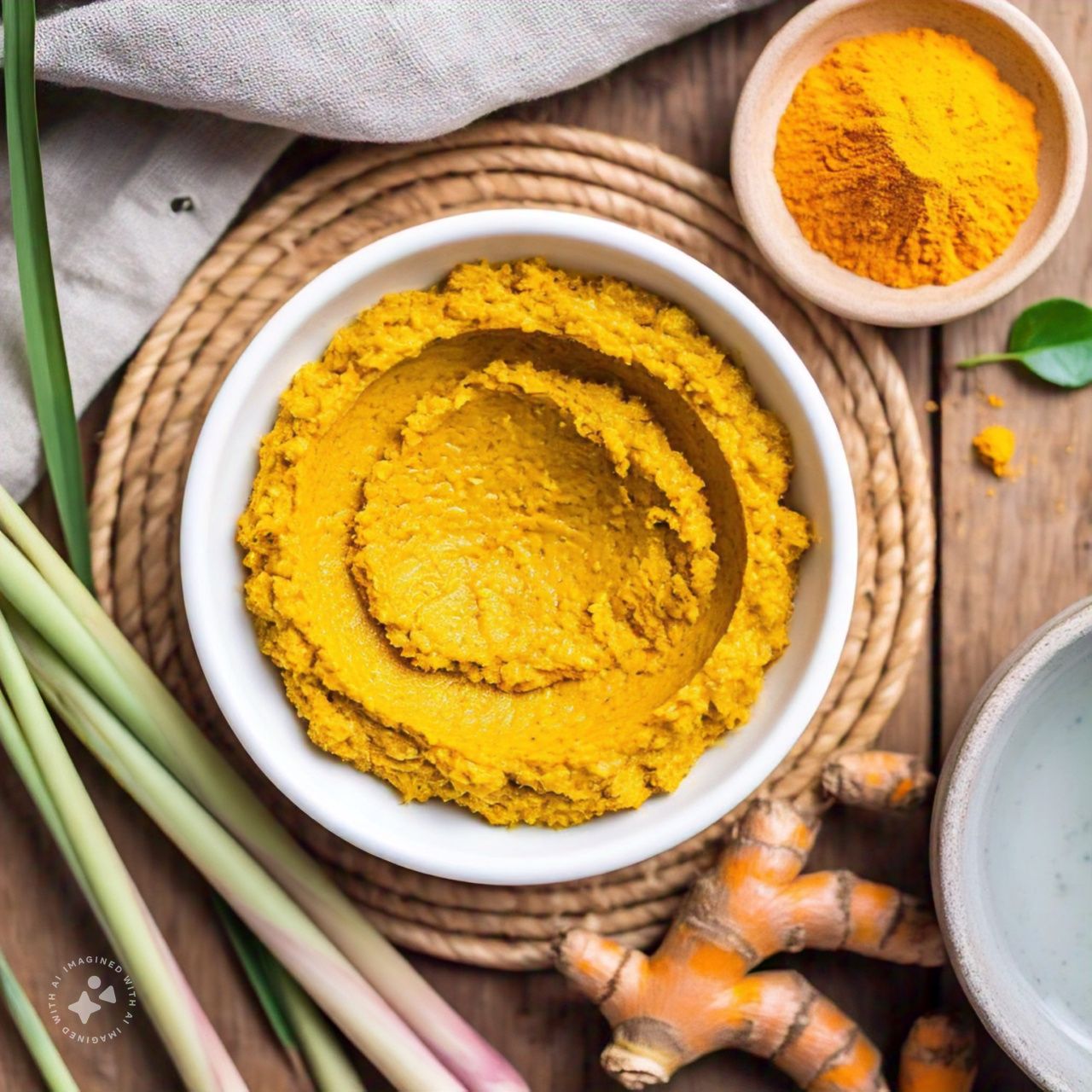
Lemongrass turmeric paste is a flavorful, aromatic blend that combines the citrusy notes of lemongrass with the earthy warmth of turmeric. This golden paste is not only a culinary delight but also a powerhouse of health benefits. In this blog, we’ll explore its origins, benefits, uses, and sustainability aspects. Plus, we’ll share cooking tips, answer common questions, and dive into its seasonal appeal.
What is Lemongrass Turmeric Paste?
A Fusion of Flavor and Tradition
Lemongrass turmeric paste is a versatile ingredient commonly used in Southeast Asian and Ayurvedic cuisines. It’s crafted by blending fresh lemongrass stalks and turmeric roots with complementary ingredients like ginger, garlic, and lime. Known for its vibrant color and zesty flavor, it’s a staple in both traditional and modern recipes.
Key Benefits of Lemongrass Turmeric Paste
-
Rich in Antioxidants:
-
Turmeric contains curcumin, a potent antioxidant with anti-inflammatory properties.
-
Lemongrass adds citral, known for its antimicrobial benefits.
-
-
Boosts Immunity:
-
The paste is packed with vitamins like Vitamin C and minerals such as iron and magnesium.
-
-
Supports Digestion:
-
Lemongrass is a natural digestive aid, while turmeric soothes the gut lining.
-
-
Natural Detoxifier:
-
Helps cleanse the liver and flush out toxins from the body.
-
-
Versatile and Long-Lasting:
-
Can be refrigerated or frozen for extended use, minimizing food waste.
-
Common Questions About Lemongrass Turmeric Paste
Q1: Can I use dried turmeric and lemongrass instead of fresh?
Answer: Yes, dried turmeric and lemongrass can be used, but fresh ingredients provide a more vibrant flavor and higher nutrient content.
Q2: How long does lemongrass turmeric paste last?
Answer: When stored in an airtight container in the refrigerator, it lasts up to 2 weeks. Freezing can extend its shelf life to 3 months.
Q3: Is it suitable for all diets?
Answer: Yes, the paste is vegan, gluten-free, and suitable for most diets.
Cooking Tips and Creative Uses
Incorporating Lemongrass Turmeric Paste into Your Cooking
-
Soups and Broths: Use it as a base for soups like Thai-inspired coconut soup or spiced vegetable broth.
-
Curries: Add depth to vegetable curries by blending a spoonful into the sauce.
-
Rice and Noodles: Mix with cooked rice or stir-fried noodles for a burst of flavor.
-
Marinades: Combine with olive oil and lime juice to marinate tofu or roasted vegetables.
-
Dips and Dressings: Blend with yogurt or tahini for a tangy dip or salad dressing.
Cooking Tip:
When using fresh turmeric, wear gloves to avoid staining your hands, and use non-porous cutting boards to prevent discoloration.
Seasonal and Holiday Favorites
Spring: Lemongrass turmeric dressing for fresh salads.
Summer: Chilled turmeric-infused gazpacho.
Autumn: Roasted squash with lemongrass turmeric glaze.
Winter: Warm turmeric and lemongrass tea for cozy evenings.
Comparisons: Lemongrass Turmeric Paste vs. Other Pastes
-
Lemongrass Turmeric Paste vs. Ginger Garlic Paste:
-
Flavor: Lemongrass turmeric paste is more aromatic and citrusy.
-
Usage: Better suited for Southeast Asian dishes.
-
-
Lemongrass Turmeric Paste vs. Green Curry Paste:
-
Ingredients: Green curry paste includes green chilies and kaffir lime leaves.
-
Heat Level: Lemongrass turmeric paste is milder and more versatile.
-
-
Lemongrass Turmeric Paste vs. Harissa:
-
Origin: Harissa is North African, with a smoky and spicy profile.
-
Flavor: Lemongrass turmeric paste is brighter and earthier.
-
Environmental Impact: Sustainability and Food Waste Reduction
Using lemongrass turmeric paste can contribute to a more sustainable kitchen. Its long shelf life minimizes spoilage, reducing food waste. Additionally, making the paste at home allows you to repurpose vegetable scraps, further cutting down waste. Choosing organic turmeric and lemongrass also supports eco-friendly farming practices.
News & Trends: Lemongrass Turmeric Paste in Modern Cuisine
With the rising popularity of plant-based diets and global flavors, lemongrass turmeric paste is gaining traction in fusion cuisines. From vegan cafes to fine dining restaurants, chefs are experimenting with its unique flavor to create innovative dishes. Its health benefits and versatility make it a favorite among health-conscious consumers.
Conclusion
Lemongrass turmeric paste is more than just a cooking ingredient; it’s a health booster, a flavor enhancer, and a sustainable choice. Its ability to blend into various cuisines makes it a must-have in every kitchen. Whether you’re exploring new recipes or looking for a way to elevate your favorite dishes, this golden paste is sure to impress.
Share:
Rose Petal Garam Masala: The Fragrant Spice Blend to Elevate Your Culinary Creations
Pickle Masala - Hot: A Spicy Delight to Enhance Your Culinary Creations