


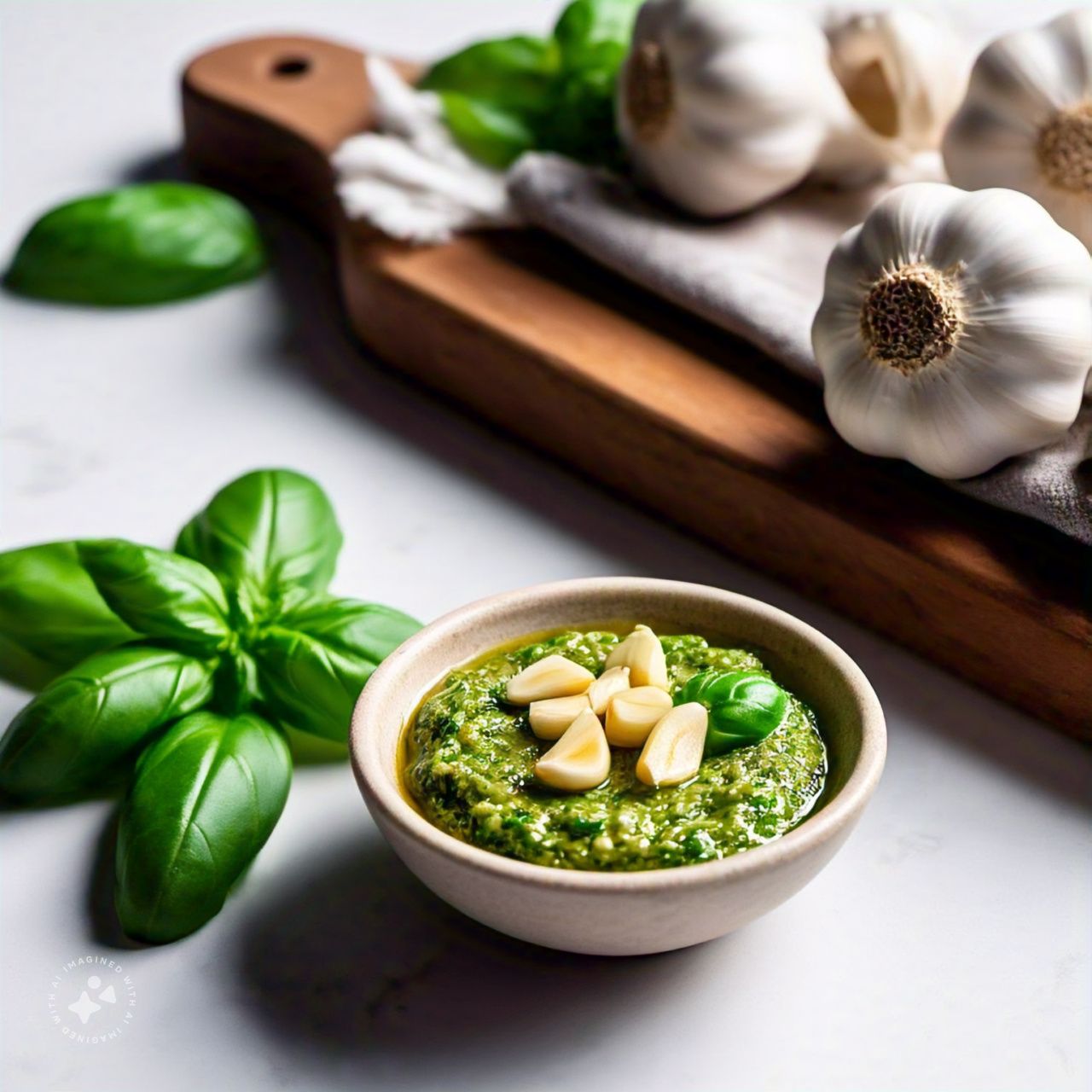
Thai Basil Garlic Paste is a versatile, aromatic condiment made from fresh Thai basil leaves, garlic, and other complementary ingredients. Known for its rich flavors and vibrant green color, this paste is a staple in Thai cuisine and is gaining popularity worldwide for its culinary versatility.
Why Choose Thai Basil Garlic Paste?
Benefits of Thai Basil Garlic Paste
-
Rich in Nutrients: Thai basil is a good source of vitamins A, C, and K, as well as antioxidants that promote overall health.
-
Versatile Ingredient: Can be used in stir-fries, soups, marinades, and dressings.
-
Flavor Booster: Adds depth and complexity to dishes with its unique blend of sweet, peppery, and slightly spicy notes.
-
Eco-Friendly: Reduces the need for multiple seasonings, minimizing packaging waste.
Culinary Uses
-
Stir-Fries: Use a spoonful to elevate simple vegetable or tofu stir-fries.
-
Soups: Stir into broths for a burst of flavor.
-
Marinades: Combine with soy sauce and sesame oil for a quick marinade.
-
Dips and Dressings: Mix with yogurt or olive oil for a quick dip or salad dressing.
How to Make Thai Basil Garlic Paste at Home
Ingredients
-
2 cups fresh Thai basil leaves
-
4-5 garlic cloves
-
2 tablespoons olive oil
-
1 tablespoon lime juice
-
1 teaspoon salt
-
Optional: chili flakes for heat
Instructions
-
Wash and dry the Thai basil leaves.
-
Combine all ingredients in a food processor or blender.
-
Blend until smooth, scraping down the sides as needed.
-
Store in an airtight container in the refrigerator for up to a week.
FAQs About Thai Basil Garlic Paste
1. Can I freeze Thai Basil Garlic Paste?
Yes, freeze it in an ice cube tray for easy portioning.
2. What can I substitute for Thai basil?
Sweet basil or a mix of mint and basil can be used, though the flavor will differ slightly.
3. Is Thai Basil Garlic Paste vegan?
Yes, the recipe is entirely plant-based.
Cooking Tips for Thai Basil Garlic Paste
-
Preserve Freshness: Add a layer of olive oil on top before storing to prevent oxidation.
-
Enhance Flavor: Toast the garlic before blending for a nuttier taste.
-
Pairing Ideas: Works well with coconut milk-based curries and noodle dishes.
Comparing Thai Basil Garlic Paste to Other Pestos
| Feature | Thai Basil Garlic Paste | Traditional Pesto |
|---|---|---|
| Main Ingredient | Thai basil | Sweet basil |
| Flavor Profile | Sweet, spicy, peppery | Savory, nutty |
| Common Uses | Asian dishes | Italian dishes |
| Typical Additions | Lime juice, chili flakes | Parmesan, pine nuts |
Seasonal and Holiday Favorites
-
Spring: Use as a topping for roasted spring vegetables.
-
Summer: Toss with fresh zucchini noodles for a light meal.
-
Fall: Add to pumpkin soups for a Thai twist.
-
Winter: Mix into hot soups or stews for a comforting flavor.
-
Holidays: Use as a unique dip for crackers and vegetable platters.
News and Information
Growing Popularity
Thai Basil Garlic Paste has become a trending ingredient among home cooks and chefs, particularly in fusion cuisine.
Sustainability Note
Many producers are now focusing on eco-friendly packaging and sourcing organic ingredients for making Thai Basil Garlic Paste.
Impact of Food Waste on the Environment
Making Thai Basil Garlic Paste at home can help reduce food waste. Leftover basil or garlic can be easily turned into this paste, minimizing spoilage and contributing to a more sustainable kitchen.
Key Takeaways
-
Thai Basil Garlic Paste is a flavorful and versatile condiment.
-
Easy to make at home with fresh, simple ingredients.
-
Offers health benefits and supports sustainable cooking practices.
-
Perfect for a variety of dishes and seasonal favorites.
By incorporating Thai Basil Garlic Paste into your cooking, you’re not only enhancing flavors but also embracing a healthier and more sustainable lifestyle.
Share:
Rajwadi Garam Masala: A Spice Blend that Brings Royalty to Your Kitchen
Punjabi Garam Masala: The Bold Spice Blend That Transforms Every Dish