


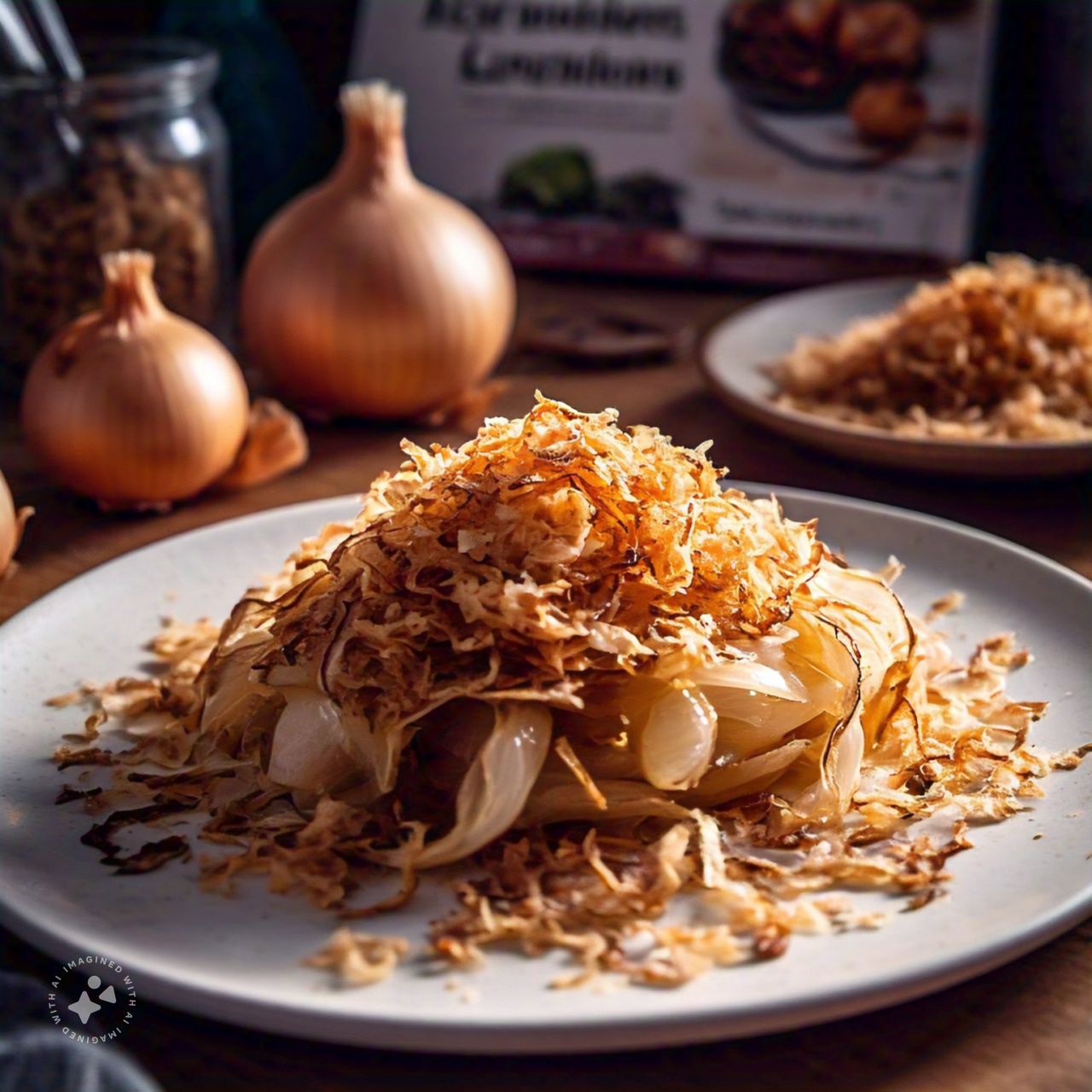
Onion flakes are a convenient, versatile, and flavorful ingredient that has become a favorite in kitchens around the world. These dehydrated pieces of onion retain the rich taste of fresh onions while offering ease of use and a longer shelf life. Whether you're a home cook or a professional chef, onion flakes are a must-have pantry staple.
What Are Onion Flakes?
Onion flakes are made by dehydrating fresh onions and breaking them into small, coarse pieces. Unlike onion powder, which is finely ground, onion flakes offer more texture and can be used in a variety of dishes where you want the appearance and slight crunch of onions.
Benefits of Using Onion Flakes
1. Long Shelf Life
-
Onion flakes can last up to a year when stored in an airtight container, reducing the need for frequent trips to the store.
2. Convenience
-
No peeling, chopping, or crying. Simply scoop the desired amount and add to your recipe.
3. Consistent Flavor
-
Delivers the same robust onion taste every time, ensuring uniformity in your dishes.
4. Versatility
-
Suitable for a wide range of recipes, from soups and stews to dry rubs and marinades.
5. Eco-Friendly
-
Reduces food waste by utilizing onions that might otherwise spoil.
How to Use Onion Flakes in Cooking
Cooking Tips:
-
As a Substitute: Replace one medium onion with one tablespoon of onion flakes.
-
In Soups and Stews: Add directly to the liquid for a burst of onion flavor.
-
In Dry Rubs: Combine with spices like garlic powder, paprika, and oregano.
-
For Salads: Rehydrate in water for 10 minutes and use as a topping.
Frequently Asked Questions (FAQs):
Q: Can onion flakes be used instead of fresh onions?
A: Yes, onion flakes are a great substitute for fresh onions, especially in dishes that require long cooking times.
Q: Are onion flakes gluten-free?
A: Most onion flakes are naturally gluten-free. Check the packaging for certification if you have severe allergies.
Comparisons: Onion Flakes vs. Onion Powder vs. Fresh Onions
Texture:
-
Onion Flakes: Coarse and chunky, adds texture.
-
Onion Powder: Fine and smooth, ideal for seasoning blends.
-
Fresh Onions: Juicy and crunchy, suitable for raw or sautéed recipes.
Shelf Life:
-
Onion Flakes: Up to 12 months.
-
Onion Powder: Similar shelf life but more prone to clumping.
-
Fresh Onions: Last 2-4 weeks when stored properly.
Ease of Use:
-
Onion Flakes: Ready to use with no prep.
-
Onion Powder: Easy to use but lacks texture.
-
Fresh Onions: Requires peeling, chopping, and cooking.
Seasonal and Holiday Favorites
Holiday Recipes Using Onion Flakes:
-
Stuffing: Add a tablespoon of onion flakes to your stuffing mix for enhanced flavor.
-
Gravy: Sprinkle onion flakes into your gravy for a rich, savory taste.
-
Casseroles: Use in green bean or potato casseroles for added texture and flavor.
Seasonal Favorites:
-
Summer BBQs: Include in dry rubs for grilled vegetables.
-
Winter Soups: Add to hearty winter soups like lentil or vegetable.
Impact of Food Waste on the Environment
Food waste is a significant contributor to environmental issues, including greenhouse gas emissions. Dehydrated products like onion flakes help mitigate this problem by extending the shelf life of onions, reducing spoilage, and minimizing waste. Additionally, they require less energy for storage and transportation compared to fresh produce.
Benefits of Dehydrated Onion Flakes Over Fresh Onions
-
Economical: Lower cost per use due to longer shelf life.
-
Eco-Friendly: Reduces food waste and transportation emissions.
-
Space-Saving: Compact packaging fits easily in any pantry.
-
Time-Saving: Eliminates the need for chopping and peeling.
News and Trends in the Spice Industry
Rising Popularity of Dehydrated Spices
As consumers prioritize convenience and sustainability, dehydrated spices like onion flakes are becoming increasingly popular. Many brands are focusing on offering high-quality, organic options to meet growing demand.
Sustainable Practices:
The spice industry is adopting eco-friendly packaging and sourcing methods to align with consumer preferences for environmentally conscious products.
Creative Uses for Onion Flakes
-
Homemade Seasoning Blends: Combine with chili powder, garlic flakes, and thyme.
-
Snack Enhancer: Sprinkle on roasted nuts or popcorn for added flavor.
-
Baking: Mix into bread dough or savory muffins for a subtle onion taste.
-
Salad Toppings: Rehydrate and add to salads for texture and flavor.
Conclusion
Onion flakes are a versatile, convenient, and sustainable ingredient that every cook should have in their kitchen. With their long shelf life, robust flavor, and wide range of uses, they are perfect for enhancing everyday meals and seasonal dishes alike. Incorporating onion flakes into your recipes not only saves time but also helps reduce food waste, contributing to a more sustainable future.


Share:
The Ultimate Guide to Onion Granules: Benefits, Uses, and Cooking Tips
The Ultimate Guide to Garlic Granules: Benefits, Uses, and Cooking Tips