


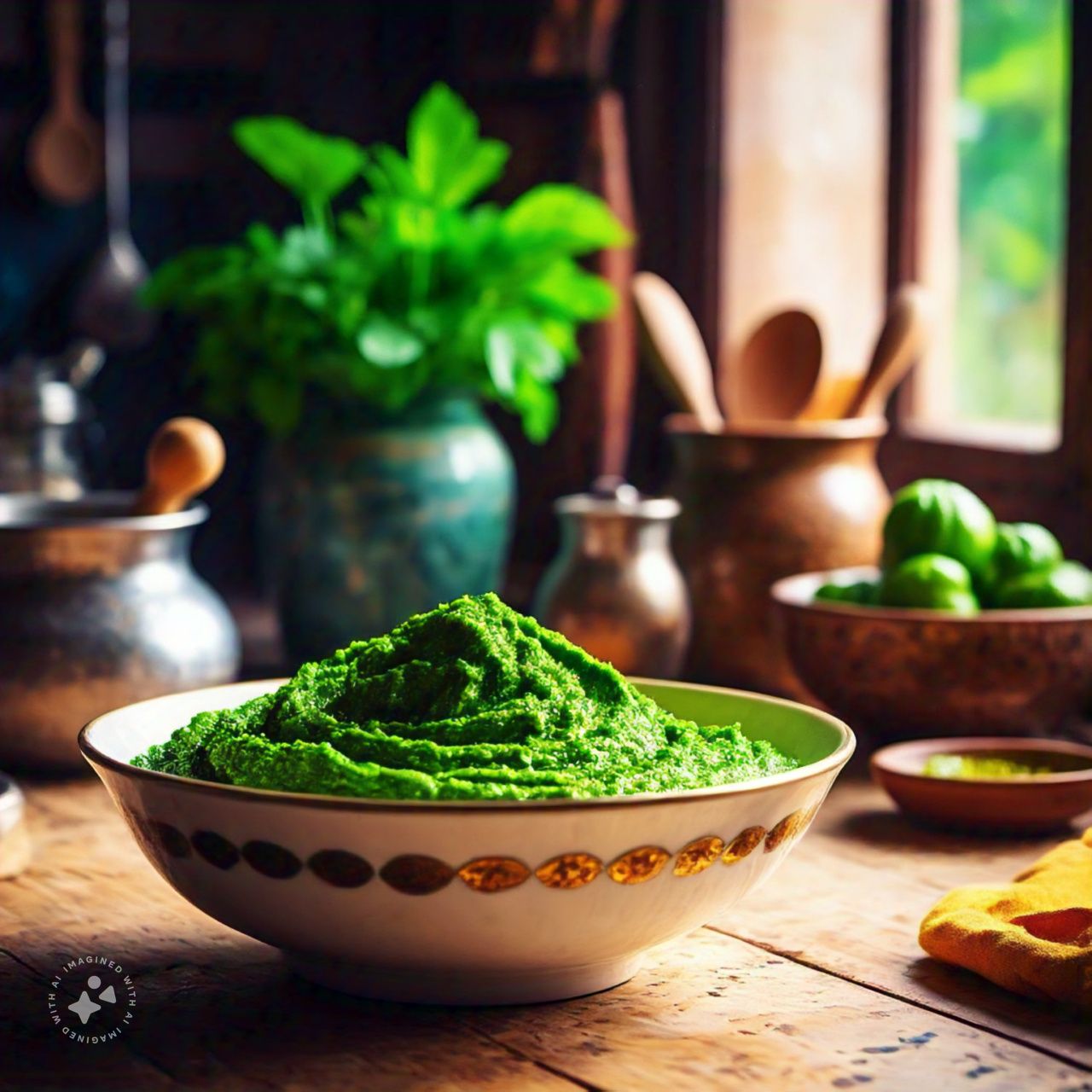
Hariyali Tikka Paste is a vibrant green marinade made primarily from fresh herbs, spices, and yogurt. It is a staple in Indian cuisine, adding a burst of flavor to vegetarian dishes like paneer tikka, grilled vegetables, or tofu skewers. The name "Hariyali" derives from the Hindi word for "greenery," reflecting its fresh and herbal essence.
Ingredients of Hariyali Tikka Paste
The paste typically includes:
-
Coriander leaves (primary flavor)
-
Mint leaves (adds refreshing taste)
-
Green chilies (adjust heat level)
-
Garlic and ginger (enhance aroma)
-
Yogurt or dairy-free alternatives (for creamy texture)
-
Spices like cumin, garam masala, and turmeric
-
Lime juice for tanginess
Benefits of Using Hariyali Tikka Paste
Nutritional Benefits
-
Rich in Antioxidants: Thanks to coriander and mint.
-
Boosts Immunity: Garlic, ginger, and lime provide immune-supporting properties.
-
Low-Calorie Flavor Enhancer: Ideal for weight-conscious food lovers.
Environmental Benefits
-
Promotes a plant-based diet, reducing carbon footprint.
-
Encourages seasonal ingredient use, minimizing food miles.
How to Use Hariyali Tikka Paste
Hariyali Tikka Paste is versatile and can be used for:
-
Marinating Paneer or Tofu: Enhances flavor for grilling or baking.
-
Spread for Wraps and Sandwiches: Adds zest to vegetarian rolls.
-
Mix with Rice or Quinoa: Creates flavorful herb-based rice dishes.
-
Salad Dressing Base: Blend with olive oil for a healthy salad dressing.
Cooking Tips for Perfect Hariyali Dishes
-
Always Use Fresh Herbs: Fresh coriander and mint ensure a vibrant green color.
-
Adjust Spice Levels: Add or reduce green chilies based on your preference.
-
Avoid Overcooking: Maintain the bright green hue by cooking on medium heat.
-
Pair with Neutral Flavors: Serve with plain naan or steamed rice to let the flavors shine.
Seasonal and Holiday Favorites
-
Spring: Grilled vegetable skewers marinated in Hariyali paste.
-
Summer: Chilled Hariyali dip with crudites for parties.
-
Festivals: Paneer tikka cooked with this paste as a showstopper appetizer.
-
Winter: Warm Hariyali soup with blended vegetables and lentils.
Comparisons with Other Marinades
Hariyali Tikka Paste vs. Tandoori Paste
| Feature | Hariyali Tikka Paste | Tandoori Paste |
|---|---|---|
| Primary Color | Green (herbs) | Red (chili, paprika) |
| Flavor Profile | Herbal, tangy, fresh | Spicy, smoky |
| Common Pairings | Paneer, tofu, grilled veggies | Yogurt, heavy cream |
| Calories | Lower | Higher due to oil/cream |
Questions and Answers
Q1: Can I make Hariyali Tikka Paste ahead of time?
Yes, you can store it in an airtight container in the refrigerator for up to a week or freeze it for up to a month.
Q2: Are there vegan options for this paste?
Absolutely! Substitute yogurt with coconut yogurt or cashew cream for a vegan version.
Q3: What dishes pair best with Hariyali Tikka Paste?
It pairs well with paneer tikka, roasted vegetables, and even as a topping for pizza or flatbreads.
Impact of Food Waste on the Environment
Why It Matters
Using ingredients efficiently, like making Hariyali paste from surplus herbs, can help reduce food waste. Globally, food waste contributes to 8-10% of greenhouse gas emissions. Minimizing waste promotes sustainability and resource conservation.
How to Avoid Waste
-
Repurpose Leftovers: Use leftover paste as a spread or dressing.
-
Store Properly: Freeze in small portions to avoid spoilage.
-
Composting: If herbs wilt, compost them instead of discarding.
News and Innovations in Hariyali Tikka Paste
-
Healthier Variations: Increasing popularity of low-fat and vegan options.
-
Sustainability Trends: Use of hydroponically grown herbs for making pastes.
-
Ready-to-Eat Products: Brands launching pre-made Hariyali pastes for convenience.
Conclusion
Hariyali Tikka Paste is more than a flavorful addition to your kitchen; it’s a step toward sustainable cooking and healthy eating. Whether you’re grilling vegetables for a festive occasion or looking for an innovative way to repurpose herbs, this paste brings vibrant taste and environmental mindfulness to your meals. Try it today and elevate your dishes with a burst of herbal goodness!


Share:
All In One Masala: The Ultimate Spice Blend for Every Dish
Kulambu Chilli Masala: A Flavorful Twist to Your Kitchen