
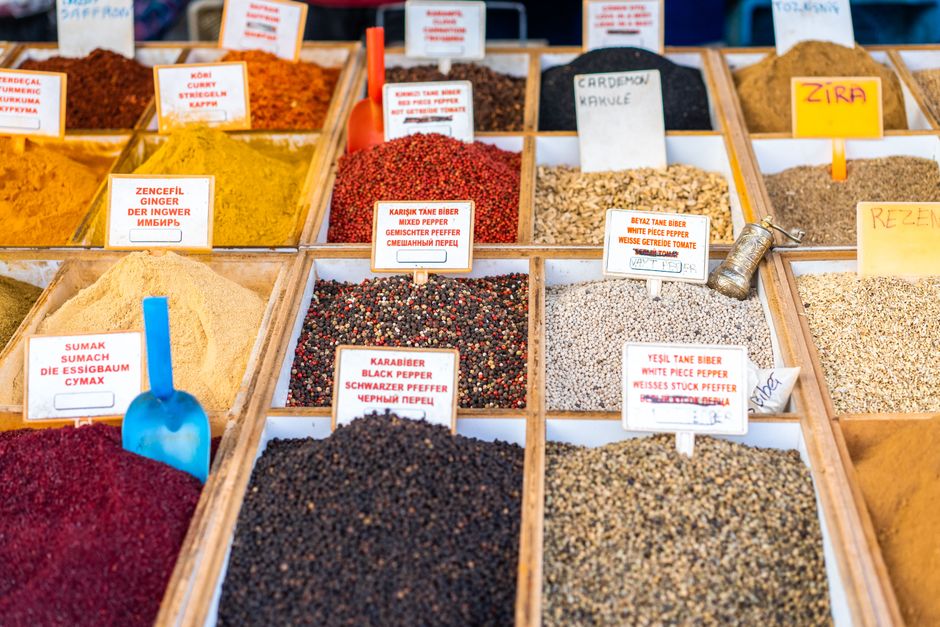

Photo by Atlantic Ambience on Pexels
In the fast-paced, demanding world of hospitality, where every dish is a reflection of your brand, consistency, efficiency, and exceptional flavour are non-negotiable. For hotel kitchens, bustling banquet halls, and large-scale catering operations, managing a diverse culinary repertoire while maintaining impeccable standards can be a monumental task. The secret weapon many top chefs and procurement managers are increasingly turning to? High-quality blended spices. These meticulously crafted mixes don't just save time; they are the cornerstone of flavour standardisation, ensuring that every biryani, every curry, and every tandoori dish tastes exactly as it should, every single time, regardless of who is in the kitchen.
The Indispensable Role of Blended Spices in Modern Hospitality
For hotels, banquet kitchens, and catering companies, the sheer volume of food prepared daily presents unique challenges. Ingredient sourcing, preparation time, and maintaining flavour profiles across hundreds, if not thousands, of meals, requires a streamlined approach without compromising on quality. This is precisely where blended spices shine, transforming kitchen operations and elevating the dining experience.
- Unwavering Consistency: Perhaps the most significant benefit for large-scale operations is the guarantee of consistent flavour. With individual spices, variations in potency, freshness, and the exact proportions used by different chefs can lead to unpredictable results. Blended spices, formulated with precise ratios, eliminate this variability, ensuring that your signature Butter Chicken tastes identical whether prepared on a Monday morning or for a grand wedding banquet. This consistency builds trust and reinforces your brand's culinary excellence.
- Enhanced Efficiency and Time Savings: Time is a precious commodity in any commercial kitchen. Instead of measuring out multiple individual spices for each dish, chefs can simply scoop and add a pre-blended mix. This dramatically cuts down on preparation time, allowing kitchen staff to focus on other critical tasks, improve workflow, and reduce the pressure during peak hours. For hotels managing multiple outlets – from fine dining to room service – this efficiency translates directly into operational savings.
- Cost Control and Reduced Waste: Purchasing individual spices in bulk can lead to issues with storage, expiry, and potential wastage if not used quickly. Blended spices, often available in larger, more stable packs suitable for bulk purchase, can be a more cost-effective solution. They simplify inventory management, reduce the likelihood of spoilage of lesser-used individual spices, and ensure you're only stocking what you need in the most efficient format. When you consider blended spices for hotels wholesale, the economic advantages become even more pronounced.
- Simplified Recipe Management: Blended spices simplify recipe creation and execution. They provide a foundational flavour profile that can be easily replicated across different shifts and kitchen teams, making training new staff members more straightforward and reducing reliance on individual chefs' personal spice blending expertise.
Types of Blended Spices and Their Applications in Hospitality
The world of blended spices is vast and vibrant, offering a solution for nearly every culinary need. From robust Indian curries to subtle seasonings for grilled meats, the right blend can elevate a dish from good to unforgettable. Understanding the variety available is key for procurement managers looking to optimise their spice inventory.
Essential Indian Blends for Hotel Kitchens
Indian cuisine, known for its intricate spice combinations, heavily relies on blends. For hotels and banquet halls that frequently feature Indian menus, having a reliable supply of these blends is crucial:
- Garam Masala: The king of Indian spice blends, used as a finishing spice or base for a multitude of dishes, from curries to biryanis and even some snacks. Its warm, aromatic profile is indispensable.
- Tandoori Masala: Essential for authentic tandoori preparations, lending that characteristic smoky, spicy, and tangy flavour to chicken, fish, paneer, and vegetables.
- Biryani Masala: A complex blend designed specifically for biryanis, ensuring the rice and meat/vegetables are infused with a rich, layered aroma and taste.
- Curry Powders (Madras, Kashmiri, etc.): Versatile blends that serve as a convenient base for a wide range of curries, stews, and gravies, offering different heat and flavour profiles.

Share:
Garlic Powder vs Fresh Garlic in Food Manufacturing: A Cost Analysis