


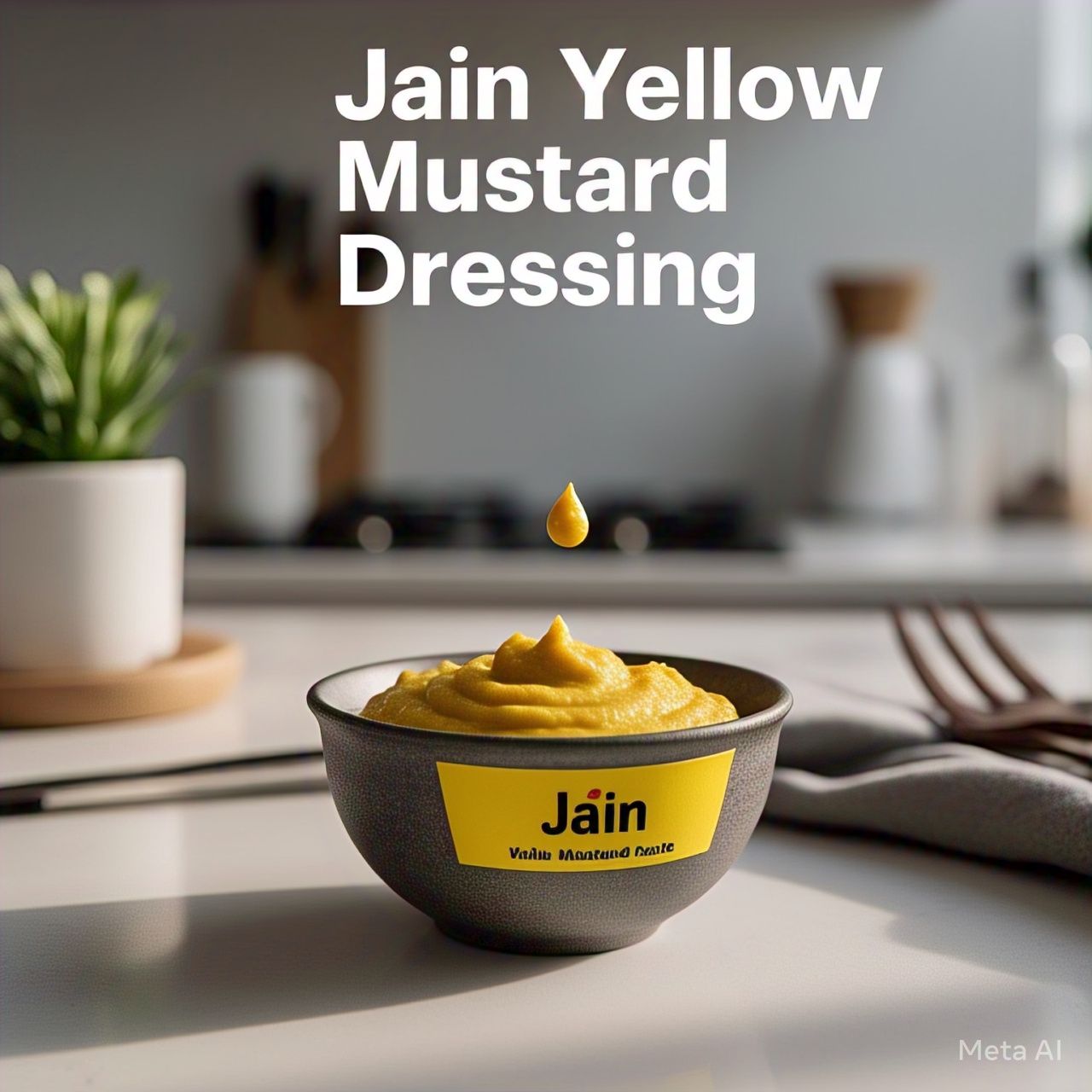
When it comes to Jain cuisine, the primary focus is on purity, which means avoiding ingredients like onion and garlic. For those who follow a Jain diet, finding tasty and versatile condiments can sometimes be challenging. One such solution is Jain Yellow Mustard Dressing Paste (No Onion No Garlic), a healthy, flavorful, and environmentally friendly option. In this blog, we will explore the many benefits and uses of this dressing, providing you with valuable cooking tips, comparisons, and environmental insights.
Table of Contents
- What is Jain Yellow Mustard Dressing Paste?
- Benefits of Jain Yellow Mustard Dressing Paste
- Uses of Jain Yellow Mustard Dressing Paste
- Cooking Tips: How to Use Jain Mustard Paste
- Jain Yellow Mustard Dressing Paste vs. Regular Mustard Dressing
- Seasonal and Holiday Favorites
- Impact of Food Waste on the Environment
- Frequently Asked Questions (FAQs)
What is Jain Yellow Mustard Dressing Paste?
Jain Yellow Mustard Dressing Paste (No Onion No Garlic) is a condiment made primarily from yellow mustard seeds and other plant-based ingredients. It is specifically designed for those following a Jain diet, which prohibits the consumption of onion and garlic due to religious and ethical reasons. This mustard paste serves as a tasty and versatile dressing for salads, sandwiches, and various other dishes.
Primary Keywords: Jain mustard paste, no onion no garlic dressing
Secondary Keywords: vegan mustard dressing, mustard paste for Jain diet
Key Features:
- No Onion, No Garlic: Perfect for those on a Jain or plant-based diet.
- Rich in Flavor: The mustard seeds provide a tangy and spicy taste.
- Vegan and Gluten-Free: Suitable for vegan and gluten-free diets.
- Rich in Antioxidants: Mustard seeds are known for their high antioxidant content.
Benefits of Jain Yellow Mustard Dressing Paste
Jain Yellow Mustard Dressing Paste offers a range of health benefits that not only align with a Jain diet but also contribute positively to your overall well-being.
1. Improved Digestion
- Mustard seeds are known for their digestive properties. They help stimulate the production of gastric juices, which can aid in digestion and reduce bloating.
2. Boosts Immunity
- The antioxidants and anti-inflammatory compounds found in mustard seeds help to boost immunity and fight off infections.
3. Heart Health
- Mustard seeds are rich in omega-3 fatty acids and can contribute to improved cardiovascular health by lowering cholesterol and reducing the risk of heart disease.
4. Rich in Nutrients
- Contains essential minerals like calcium, magnesium, and iron, which are vital for bone health and overall well-being.
Uses of Jain Yellow Mustard Dressing Paste
This versatile dressing can be used in a variety of ways. Here are a few ideas to incorporate Jain Yellow Mustard Dressing Paste into your meals:
1. As a Salad Dressing:
- Drizzle over fresh greens, vegetables, or even fruits for a tangy kick.
2. Sandwiches and Wraps:
- Spread the mustard paste onto bread or wraps as a flavorful filling or condiment.
3. Grilled Vegetables:
- Use the paste as a marinade for grilled vegetables, adding extra flavor and texture.
4. Dips and Sauces:
- Combine the mustard paste with yogurt or vegan alternatives for a creamy dip.
5. Vegetarian Dishes:
- Enhance the flavor of rice, dal (lentils), or other Jain-friendly dishes with a dollop of mustard paste.
Cooking Tip: To make a quick salad dressing, mix Jain Yellow Mustard Dressing Paste with olive oil, lemon juice, and a pinch of salt.
Cooking Tips: How to Use Jain Mustard Paste
- Blend with Other Spices: For a more complex flavor, mix mustard paste with turmeric, cumin, or coriander powder.
- Marinades: Use it as a base for marinating tofu, tempeh, or veggies before grilling or baking.
- Dilute for a Smoother Texture: If the paste is too thick, dilute it with some water or vegetable broth for a smoother consistency.
Jain Yellow Mustard Dressing Paste vs. Regular Mustard Dressing
While regular mustard dressings are a popular condiment in many households, Jain Yellow Mustard Dressing Paste stands out for several reasons:
Ingredients Comparison:
- Regular Mustard Dressing: Often contains onion, garlic, and preservatives.
- Jain Yellow Mustard Dressing Paste: Free from onion, garlic, and artificial additives, making it suitable for those following a Jain diet or those looking for a cleaner, natural product.
Flavor Profile:
- Regular Mustard Dressing: May have a pungent or garlicky flavor.
- Jain Yellow Mustard Dressing Paste: Focuses on the pure tanginess of mustard seeds without the overpowering flavor of onion or garlic.
Dietary Suitability:
- Regular Mustard Dressing: May not be suitable for vegans, vegetarians, or those with dietary restrictions.
- Jain Yellow Mustard Dressing Paste: Vegan, gluten-free, and perfect for those adhering to a Jain diet.
Seasonal and Holiday Favorites
Jain Yellow Mustard Dressing Paste is perfect for both everyday meals and special occasions.
Spring and Summer:
- Pair it with fresh salads, grilled veggies, or cold wraps for a light and refreshing meal.
Autumn and Winter:
- Use it in heartier dishes like stews, baked root vegetables, or roasted cauliflower to add warmth and depth of flavor.
Holiday Tip: Use Jain Yellow Mustard Dressing Paste as a unique dip for your holiday appetizers or as a topping for roasted vegetable platters during festive seasons.
Impact of Food Waste on the Environment
Food waste is a global issue that has serious environmental implications. According to a report from the Food and Agriculture Organization (FAO), approximately one-third of the food produced globally is wasted, contributing significantly to greenhouse gas emissions and unnecessary resource consumption.
By opting for products like Jain Yellow Mustard Dressing Paste, which are sustainably produced and have a longer shelf life, consumers can help reduce food waste. Additionally, mustard seeds require minimal water and resources to grow, making them an environmentally friendly ingredient.
Tip: Be mindful of portion sizes and use eco-friendly packaging to reduce food waste and its environmental impact.
Frequently Asked Questions (FAQs)
1. Is Jain Yellow Mustard Dressing Paste vegan?
- Yes, it is completely vegan and free from any animal products.
2. Can I use Jain Yellow Mustard Dressing Paste for marinating tofu?
- Absolutely! It makes a great marinade for tofu, tempeh, and vegetables.
3. Does Jain Yellow Mustard Dressing Paste contain preservatives?
- No, it is made from all-natural ingredients without any artificial preservatives.
4. Can I substitute Jain Yellow Mustard Dressing Paste in any recipe?
- Yes, it can be used as a substitute for regular mustard dressing in salads, sandwiches, and marinades.
Conclusion
Jain Yellow Mustard Dressing Paste (No Onion No Garlic) is a flavorful, versatile, and healthy condiment that caters to those on a Jain diet while also offering a wide range of benefits. Whether you're looking for a tangy salad dressing or a marinade for your favorite plant-based dishes, this dressing is an excellent choice. By incorporating this product into your meals, you can enjoy a sustainable, healthy, and ethical food choice without compromising on taste.


Share:
Jain Mexican Paste (No Onion No Garlic): A Flavorful and Ethical Addition to Your Kitchen
Jain Cheese Chilli Paste (No Onion No Garlic): A Flavorful Vegan Alternative for Every Meal