


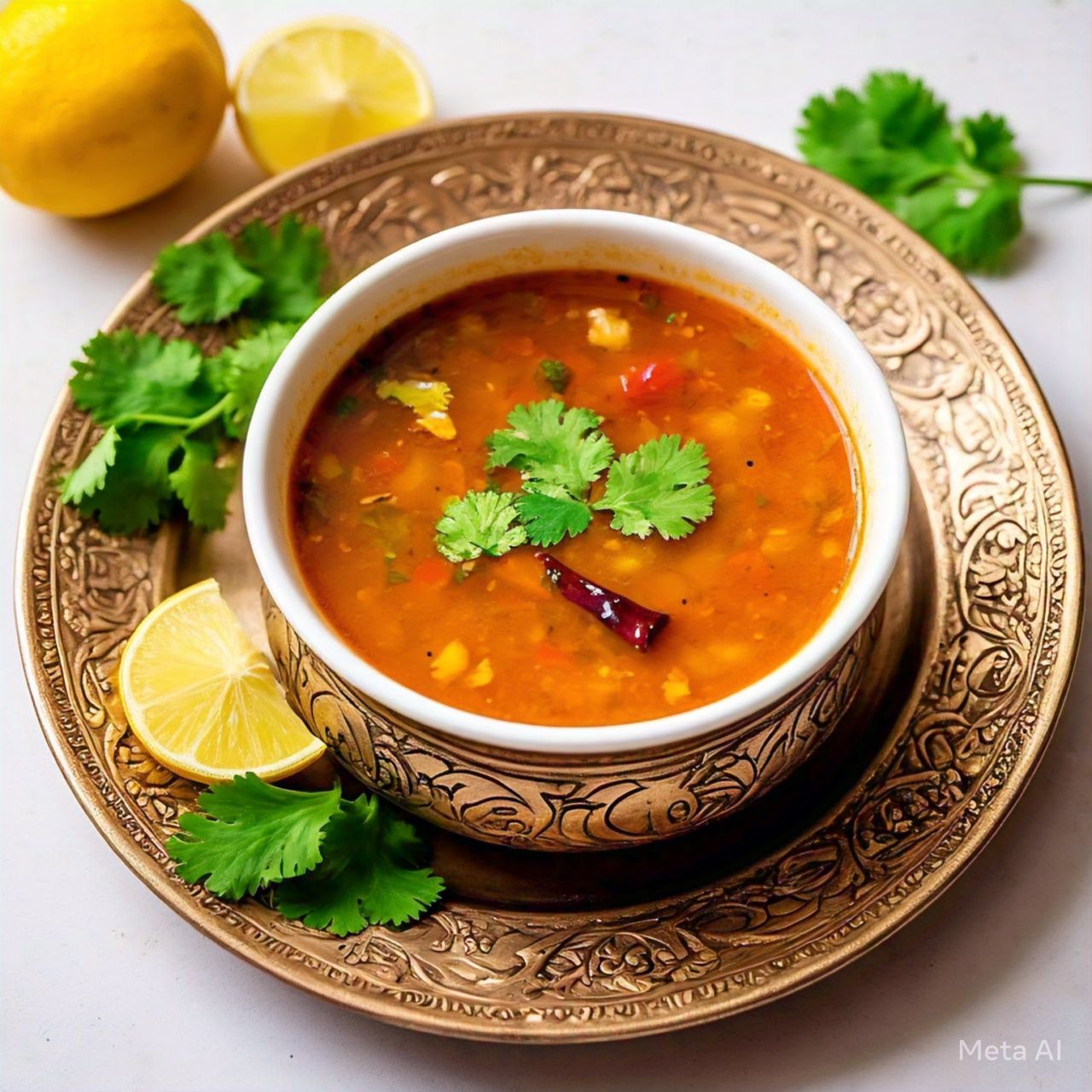
Jain Rasam Masala (No Onion No Garlic) offers a unique blend of spices for those who prefer or need to avoid onion and garlic, while still delivering the vibrant flavors of traditional rasam. This vegetarian and vegan-friendly alternative is perfect for those following a Jain diet or anyone seeking a lighter, digestible soup option. Below, we explore the many benefits, uses, and environmental impact of Jain Rasam Masala, along with helpful cooking tips and seasonal favorites.
What is Jain Rasam Masala (No Onion No Garlic)?
Jain Rasam Masala is a spice mix used to create the popular South Indian dish, rasam. Unlike traditional recipes that incorporate onions and garlic, this masala follows Jain dietary rules and excludes these ingredients. The blend of spices used in Jain Rasam Masala includes:
- Coriander seeds
- Cumin seeds
- Black pepper
- Dry red chilies
- Tamarind
- Fenugreek seeds
This masala is not only flavorful but also light on the stomach, making it a great option for those looking for a soothing and easy-to-digest soup.
Why Choose Jain Rasam Masala (No Onion No Garlic)?
Health Benefits
-
Rich in Antioxidants:
The spices in Jain Rasam Masala, such as coriander and cumin, are rich in antioxidants, which help protect the body from free radicals and promote overall health. -
Supports Digestive Health:
Unlike traditional rasam masala, which includes garlic and onion that can sometimes irritate sensitive stomachs, Jain Rasam Masala is easy to digest. The ingredients used help aid digestion and relieve bloating. -
Vegan-Friendly and Low-Calorie:
Jain Rasam Masala is plant-based and free of animal products, making it perfect for vegans and anyone looking for low-calorie, wholesome options. It's an excellent choice for maintaining a balanced diet.
Religious and Ethical Significance
For those following Jainism, avoiding onion and garlic is a key dietary practice. Jain Rasam Masala (No Onion No Garlic) adheres to these principles, making it the perfect choice for those observing Jain fasts or dietary restrictions.
How to Use Jain Rasam Masala (No Onion No Garlic)?
Cooking Tips for the Perfect Jain Rasam
-
Use Fresh Tamarind:
Tamarind is a vital component of rasam, adding a tangy flavor. Using fresh tamarind will result in a more authentic, vibrant taste compared to tamarind paste. -
Adjust the Spice Level:
Depending on your heat tolerance, you can adjust the quantity of dried red chilies in the masala. For a spicier kick, add more chilies; for a milder rasam, reduce the amount. -
Simmer for a Rich Flavor:
Let the rasam simmer for 10-15 minutes to allow the spices to blend and release their full flavor. This will enhance the overall taste of your dish. -
Garnish with Fresh Coriander:
Fresh coriander adds a burst of freshness to the dish and enhances the aroma. Be sure to garnish your rasam just before serving for the best flavor.
Jain Rasam Masala Pairings
- Rice: Serve Jain Rasam with steamed rice for a classic, comforting meal.
- Chapati or Paratha: Enjoy Jain Rasam with flatbreads for a wholesome, balanced meal.
- Vegetable Sides: Complement with vegetable dishes like sautéed greens or stir-fried vegetables.
Jain Rasam Masala vs. Traditional Rasam Masala
| Feature | Jain Rasam Masala (No Onion No Garlic) | Traditional Rasam Masala |
|---|---|---|
| Onion & Garlic | Excluded | Included |
| Flavor Profile | Mild, tangy, and soothing | Rich, spicier, with depth |
| Digestibility | Easier on the stomach | Can be heavy for some people |
| Dietary Restrictions | Vegan, Jain-friendly | Vegetarian |
Seasonal and Holiday Favorites with Jain Rasam Masala
Perfect for Winter and Monsoon
Jain Rasam Masala is particularly enjoyable in the colder months or during the monsoon season. The combination of warming spices in the rasam provides comfort, helps with digestion, and keeps you feeling cozy during chilly weather.
Ideal for Festivals
Festivals like Diwali, Navratri, and Makar Sankranti often involve fasting or restrictions on certain foods. Jain Rasam Masala is perfect for such occasions, as it adheres to Jain dietary guidelines while still offering a satisfying and flavorful dish.
The Environmental Impact of Jain Rasam Masala
In today’s world, reducing food waste and making eco-friendly food choices is more important than ever. Jain Rasam Masala offers several environmental benefits:
1. Plant-Based Ingredients
The spices used in Jain Rasam Masala are plant-based, which typically have a smaller carbon footprint compared to animal products. By choosing this masala, you’re making an environmentally conscious decision that supports sustainability.
2. Minimal Processing
The ingredients in Jain Rasam Masala undergo minimal processing, which helps reduce the overall environmental impact associated with food production.
3. Long Shelf Life
Spices like coriander and cumin have a long shelf life, reducing food spoilage and waste. By using dried spices, you are ensuring that less food goes to waste, making it a more sustainable choice.
FAQ About Jain Rasam Masala (No Onion No Garlic)
Q1: Can I make Jain Rasam Masala at home?
Yes, Jain Rasam Masala can easily be made at home. Simply dry roast and grind spices such as coriander, cumin, fenugreek, and black pepper. This homemade version is fresher and free from preservatives.
Q2: How can I adjust the spice level if the rasam is too mild?
If you prefer a spicier rasam, increase the number of dried red chilies or black pepper in the masala. You can also add mustard seeds or a pinch of asafoetida for extra flavor.
Q3: How long can Jain Rasam Masala be stored?
When stored in an airtight container in a cool, dry place, Jain Rasam Masala can last for up to six months without losing its flavor or potency.
Conclusion: Embrace the Flavorful, Healthy Jain Rasam Masala
Jain Rasam Masala (No Onion No Garlic) is the perfect option for anyone looking for a flavorful, healthy, and environmentally conscious dish. Whether you follow Jain dietary principles, need a lighter option, or want to enjoy a plant-based soup, this masala delivers the perfect balance of taste and nutrition. It’s easy to prepare, versatile, and offers a satisfying meal for all occasions.


Share:
Jain Chettinad Masala (No Onion No Garlic) – A Flavorful Vegan Delight
Jain Sambhar Masala (No Onion No Garlic): A Healthy and Flavorful Choice