


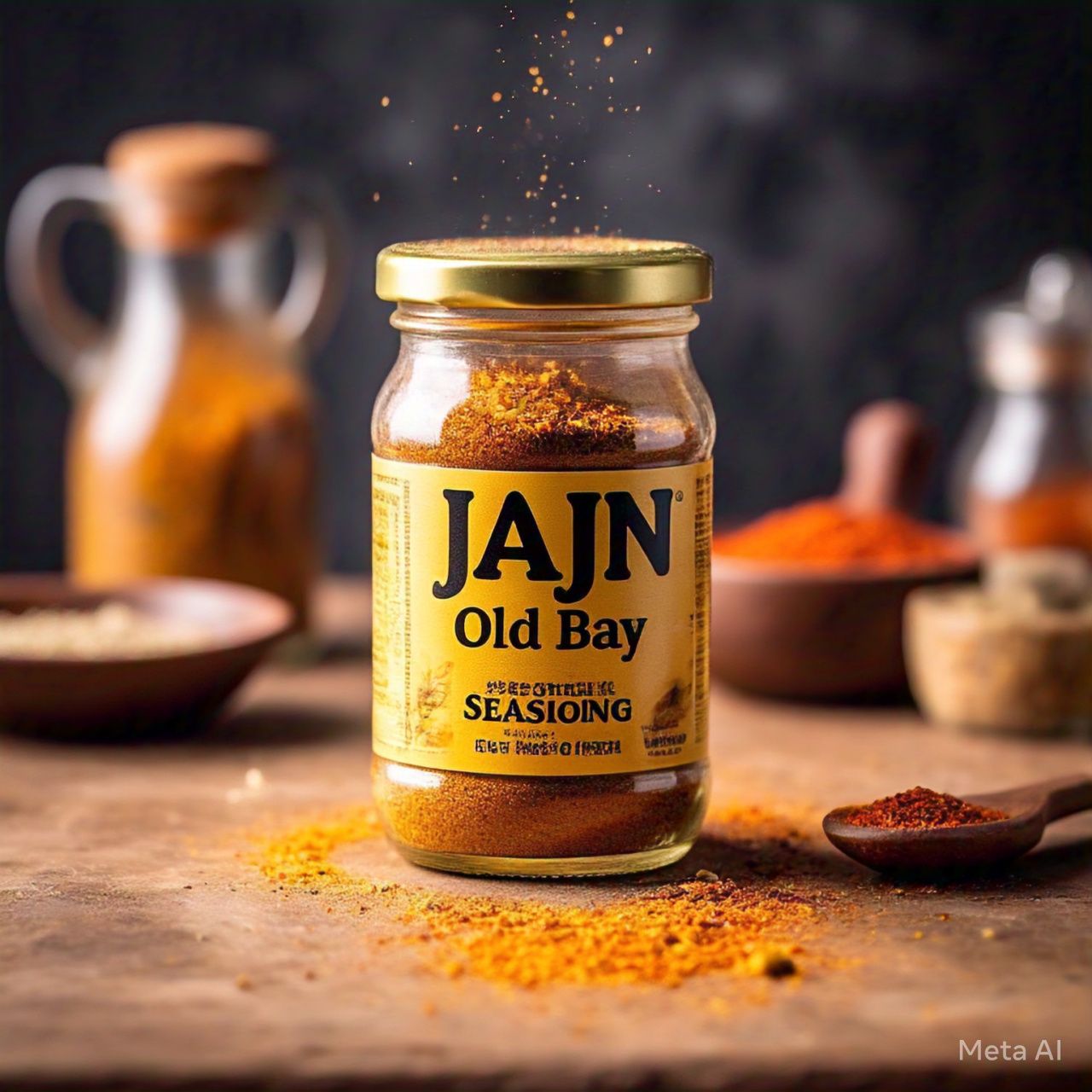
When it comes to Jain cooking, the importance of adhering to dietary principles like avoiding onion, garlic, and other ingredients that may violate Jain beliefs is paramount. At the same time, flavor plays a crucial role in creating satisfying meals. One way to balance both is with Jain Old Bay Seasoning (No Onion No Garlic), a spice blend that provides bold, savory, and aromatic flavors while maintaining the dietary purity required by the Jain lifestyle.
In this blog, we’ll explore what Jain Old Bay Seasoning is, its benefits, uses, and how to incorporate it into your everyday meals. We will also discuss its environmental impact, cooking tips, and why it's a great option for seasonal and holiday dishes.
What is Jain Old Bay Seasoning (No Onion No Garlic)?
Jain Old Bay Seasoning is a flavorful, versatile spice blend crafted specifically to meet the dietary restrictions of Jain cuisine. Traditionally, Old Bay seasoning contains celery salt, paprika, black pepper, and other spices often combined with onion and garlic. However, Jain Old Bay Seasoning eliminates these two ingredients, providing an authentic taste without violating Jain principles.
Key Ingredients in Jain Old Bay Seasoning (No Onion No Garlic):
- Celery Salt: Adds a savory, slightly bitter taste that balances other flavors.
- Paprika: Offers a mild, smoky flavor that pairs perfectly with savory dishes.
- Black Pepper: Adds warmth and subtle heat.
- Mustard Seeds: Provide a tangy, sharp kick.
- Bay Leaves: Imparts a unique, earthy aroma to the seasoning blend.
Benefits of Jain Old Bay Seasoning (No Onion No Garlic)
1. Perfect for Jain Diets
- No Onion, No Garlic: Jain Old Bay Seasoning is crafted without onion or garlic, making it suitable for individuals who adhere to Jain dietary guidelines.
- Vegetarian and Vegan Friendly: This seasoning is plant-based, making it appropriate for both vegetarian and vegan diets.
2. Health Benefits
- Digestive Aid: Mustard seeds and celery salt have long been known to aid digestion. They can help soothe your stomach and improve gut health.
- Anti-inflammatory Properties: Ingredients like black pepper have anti-inflammatory effects that may help in reducing inflammation.
- Rich in Antioxidants: Paprika and other spices in the seasoning contain antioxidants, which may help fight oxidative stress and reduce cell damage.
3. Environmentally Friendly
- Reduces Food Waste: Using a flavorful seasoning blend like Jain Old Bay can transform simple vegetables or grains, helping to reduce food waste by elevating leftovers and making meals more exciting.
- Sustainably Sourced: Many of the spices used in this blend are grown through sustainable practices, which helps to support eco-friendly farming.
How to Use Jain Old Bay Seasoning (No Onion No Garlic)
Jain Old Bay Seasoning can be used in various ways to enhance the flavor of your dishes. Below are some ideas on how to incorporate it into your meals:
Cooking Tips and Ideas:
- Vegetable Dishes: Sprinkle Jain Old Bay Seasoning over roasted vegetables or stir-fries for a savory, aromatic kick.
- Potatoes and Fries: Add it to your roasted potatoes or French fries to give them a zesty, flavorful twist.
- Rice Dishes: Mix Jain Old Bay Seasoning into your rice or quinoa dishes to infuse them with complex flavors.
- Soups and Stews: Add it to vegetable soups or stews to enhance the depth of flavor without the need for onion or garlic.
- Grilled Vegetables: Use the seasoning as a marinade for grilled vegetables like bell peppers, zucchini, or eggplant.
Comparing Jain Old Bay Seasoning to Other Spice Blends
Jain Old Bay Seasoning vs. Regular Old Bay Seasoning
- No Onion, No Garlic: Traditional Old Bay seasoning often contains onion and garlic, which are not suitable for those following Jain dietary rules. Jain Old Bay Seasoning eliminates these ingredients, making it a perfect choice for Jain cooking.
- Similar Flavor Profile: Both versions offer similar flavors, thanks to the blend of spices like celery salt, mustard seeds, and paprika.
Jain Old Bay Seasoning vs. Garam Masala
- Flavor Differences: While Garam Masala provides a warm, earthy flavor with a blend of cumin, cardamom, and cinnamon, Jain Old Bay Seasoning offers a more savory, slightly tangy flavor profile with mustard and celery salt.
- Use Cases: Garam masala is typically used in Indian dishes, while Jain Old Bay Seasoning is more suited for dishes with a savory, spiced flavor, such as vegetable stir-fries, soups, and grilled vegetables.
Seasonal and Holiday Favorites
Jain Old Bay Seasoning can add a delightful, bold flavor to seasonal and holiday meals, making it an excellent addition to your pantry during various festivities:
- Winter Comfort Foods: Use it to spice up hearty soups and stews, or add it to roasted root vegetables for a warming meal.
- Summer Grilling: Season your grilled veggies or plant-based skewers with Jain Old Bay Seasoning for a smoky, tangy twist perfect for summer BBQs.
- Holiday Dishes: During Jain festivals such as Diwali or Navratri, this seasoning can add depth to your festive dishes like vegetable stir-fries or snacks, ensuring you maintain adherence to dietary restrictions.
Impact of Food Waste on the Environment
Food waste is a significant issue for the environment, leading to increased greenhouse gas emissions and unnecessary resource consumption. By using Jain Old Bay Seasoning, you can contribute to reducing food waste in the following ways:
- Reviving Leftovers: Transform leftover vegetables, grains, or even legumes into flavorful meals by seasoning them with Jain Old Bay Seasoning.
- Encouraging Sustainable Cooking: By making your meals more flavorful with fewer ingredients, you can reduce the need for excess purchases and help minimize food waste in your household.
Additionally, the use of sustainably sourced ingredients in Jain Old Bay Seasoning contributes to more environmentally responsible food production.
Frequently Asked Questions (FAQs)
1. How should I store Jain Old Bay Seasoning?
To preserve the potency and freshness of Jain Old Bay Seasoning, store it in an airtight container in a cool, dry place, away from direct sunlight and heat. It can last up to six months if stored properly.
2. Is Jain Old Bay Seasoning gluten-free?
Yes, Jain Old Bay Seasoning is naturally gluten-free. However, if you have specific dietary concerns, be sure to check the product label for any potential cross-contamination risks.
3. How much Jain Old Bay Seasoning should I use in a dish?
As the seasoning is quite potent, it’s best to start with a small amount, such as a pinch or half a teaspoon. Taste and adjust accordingly, as the blend offers strong flavors like celery salt and mustard seeds.
Conclusion
Jain Old Bay Seasoning (No Onion No Garlic) is a flavorful and versatile spice blend that allows you to enjoy bold, savory Chinese-inspired flavors while adhering to Jain dietary principles. Whether you're preparing a quick stir-fry, a comforting soup, or a festive meal, this seasoning can elevate your dishes without the need for onion or garlic. It's an eco-friendly, health-conscious way to add complexity to your meals and reduce food waste.


Share:
Jain Chinese Five Spice Powder (No Onion No Garlic): A Flavorful, Health-Conscious Spice Blend for Jain Cuisine
Jain Hawaij Seasoning (No Onion No Garlic): A Flavorful and Versatile Spice Blend for Jain Cuisine