


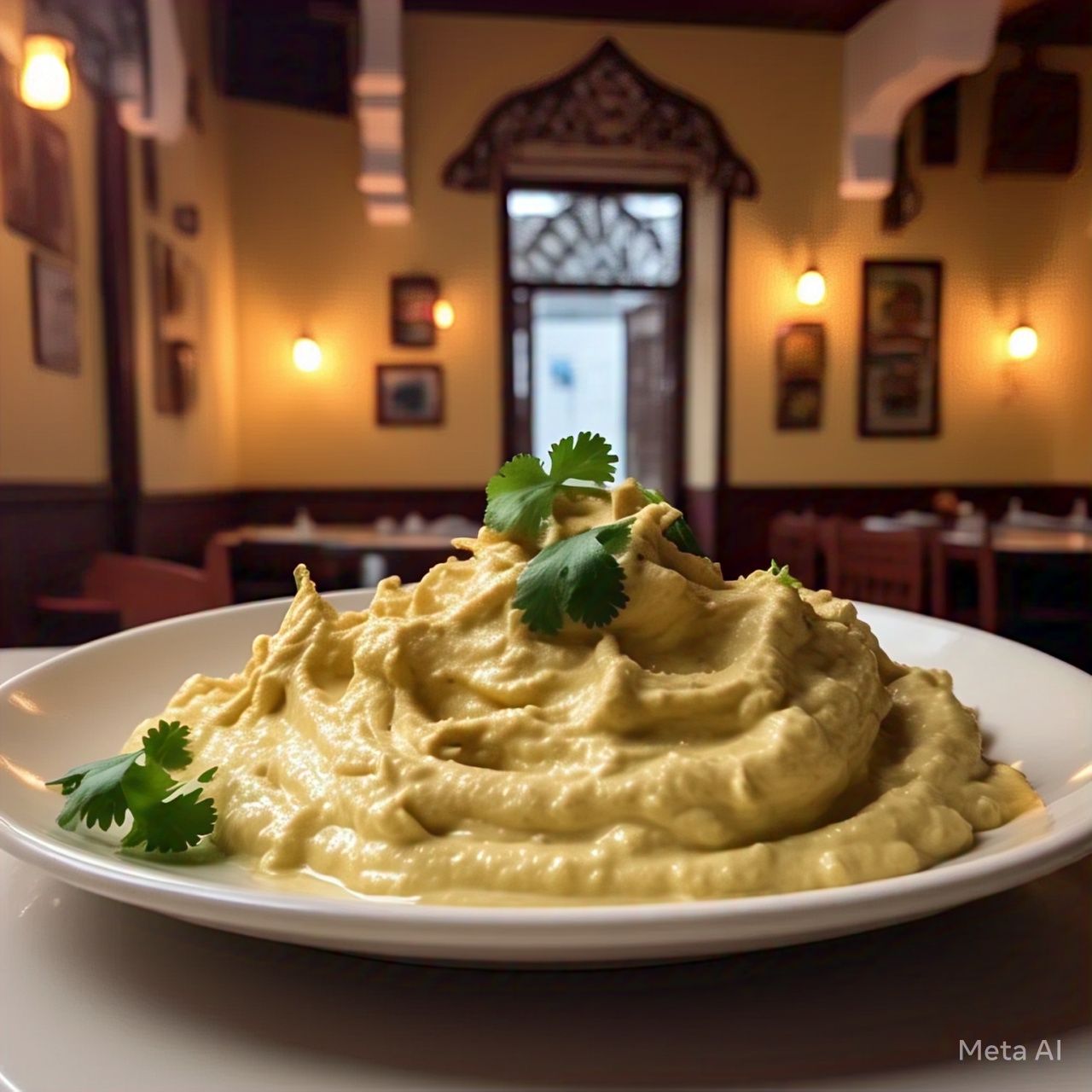
Jain Malai Chaap Paste (No Onion No Garlic) is a delicious, creamy, and rich paste that’s perfect for making Jain-friendly versions of Malai Chaap. Made without onions or garlic, this paste is suitable for individuals following Jain dietary practices, offering a flavorful and aromatic base for a wide variety of dishes. Featuring a perfect blend of spices and cream, Jain Malai Chaap Paste is versatile enough to be used in marinades, curries, or even as a dip.
Why Choose Jain Malai Chaap Paste (No Onion No Garlic)?
Key Benefits of Jain Malai Chaap Paste
- Jain-Friendly and Vegan: This paste is made without onion and garlic, adhering to Jain dietary principles while also being vegan.
- Rich, Creamy Flavor: Despite being free from traditional ingredients like onion and garlic, Jain Malai Chaap Paste still delivers the rich and creamy taste you love.
- Versatile Usage: Ideal for making a Jain version of Malai Chaap, this paste can also be used in a variety of dishes, from curries and gravies to dips and salads.
- Rich in Nutrients: The paste includes a combination of healthy ingredients such as nuts, spices, and plant-based cream, which contribute to its nutritious profile.
- No Artificial Additives: Jain Malai Chaap Paste is made from natural ingredients, free from preservatives and artificial colorants, making it a healthier choice.
Environmental Impact: Reducing Food Waste with Plant-Based Ingredients
Switching to plant-based products like Jain Malai Chaap Paste helps reduce environmental impact. Plant-based diets require fewer resources, such as land and water, and produce fewer greenhouse gases compared to animal-based foods. According to the Environmental Working Group (EWG), plant-based eating helps conserve natural resources and minimizes food waste. By using plant-based condiments like Jain Malai Chaap Paste, you are contributing to a more sustainable and eco-friendly food system.
How is Jain Malai Chaap Paste Different from Traditional Malai Chaap Paste?
Jain Malai Chaap Paste vs. Traditional Malai Chaap Paste
| Feature | Jain Malai Chaap Paste (No Onion No Garlic) | Traditional Malai Chaap Paste |
|---|---|---|
| Onion and Garlic | No | Yes |
| Suitable for Jain Diet | Yes | No |
| Flavor Profile | Rich and creamy, aromatic | Rich and creamy, more intense |
| Versatility | Great for curries, gravies, dips | Primarily used for chaap |
While both Jain Malai Chaap Paste and traditional Malai Chaap Paste offer rich and creamy flavors, the Jain version is specifically designed to be free from onion and garlic, making it suitable for Jain dietary practices.
Cooking Tips for Jain Malai Chaap Paste
- As a Marinade: Jain Malai Chaap Paste is perfect for marinating plant-based proteins like tofu, tempeh, or mock meat. Simply coat the protein in the paste and let it sit for an hour before cooking.
- In Curries and Gravies: Add Jain Malai Chaap Paste to your favorite vegetable or lentil curry for a rich, creamy texture. It can also be used as a base for making gravies and sauces.
- In Dips and Sauces: Mix Jain Malai Chaap Paste with plant-based yogurt or cream to make a delicious dipping sauce for snacks like samosas or vegetable fritters.
- As a Topping: Use the paste as a creamy topping for roasted vegetables, grain bowls, or salads to add depth and flavor.
- In Wraps and Sandwiches: Jain Malai Chaap Paste can be used as a spread in wraps or sandwiches, adding a creamy and flavorful element to your meal.
Seasonal and Holiday Favorites
Jain Malai Chaap Paste is a versatile condiment that works well in various seasonal dishes, making it perfect for both everyday meals and holiday celebrations.
Winter: Comforting and Warming Dishes
In winter, Jain Malai Chaap Paste is perfect for creating rich and creamy curries or gravies that bring warmth and comfort. Pair it with root vegetables like potatoes, carrots, or sweet potatoes for a hearty meal.
Spring: Light and Fresh
In spring, use Jain Malai Chaap Paste to create lighter dishes such as vegetable kebabs, stuffed bell peppers, or a fresh grain bowl topped with creamy goodness. It pairs beautifully with fresh greens and herbs.
Summer: Cool and Refreshing
During the hot summer months, Jain Malai Chaap Paste can be used in cold dips, salad dressings, or light wraps. The creamy texture balances out the refreshing taste of fresh vegetables and herbs.
Holidays: Festive Feasts
For festive occasions like Diwali, New Year, or other celebrations, Jain Malai Chaap Paste can elevate the flavor of your appetizers and main courses. Serve it as a dip or use it in main dishes to add richness to your holiday feast.
Common Questions About Jain Malai Chaap Paste
Q1: What makes Jain Malai Chaap Paste different from regular Malai Chaap Paste?
Jain Malai Chaap Paste is made without onions or garlic, making it suitable for those who follow Jain dietary laws. Regular Malai Chaap Paste typically contains these ingredients to enhance the flavor.
Q2: Can Jain Malai Chaap Paste be used in non-vegetarian dishes?
While Jain Malai Chaap Paste is intended for plant-based diets, it can be used as a marinade or sauce in any non-vegetarian dishes where a creamy, rich flavor is desired. However, its primary use is in vegan and Jain-friendly recipes.
Q3: How long does Jain Malai Chaap Paste last?
When stored in an airtight container, Jain Malai Chaap Paste can last up to one week in the refrigerator. For longer storage, you can freeze the paste in portions for up to three months.
Q4: Is Jain Malai Chaap Paste spicy?
Jain Malai Chaap Paste has a creamy, rich flavor without being particularly spicy. If you prefer more heat, you can add additional chili or spices to your dish.
Authority Building: The Rise of Jain and Plant-Based Diets
The demand for plant-based foods has skyrocketed in recent years, driven by an increased awareness of health and environmental concerns. According to the Good Food Institute, plant-based food sales in the U.S. grew by 27% in the last two years, with more consumers shifting to vegan, vegetarian, or plant-based diets. Jain Malai Chaap Paste taps into this growing trend by offering a flavorful, plant-based alternative that adheres to Jain principles, providing a healthy and sustainable option for conscious eaters.
Nutritional Benefits of Jain Malai Chaap Paste
- High in Healthy Fats: The paste contains healthy fats from plant-based oils and nuts, which are essential for maintaining heart health.
- Rich in Antioxidants: Ingredients like turmeric, ginger, and cumin provide a strong antioxidant profile, helping to protect the body from oxidative stress.
- Boosts Digestion: Spices like cumin and coriander are known to aid digestion and promote a healthy gut.
- Good Source of Plant-Based Protein: When used with plant-based proteins, Jain Malai Chaap Paste can help increase the protein content of your meal, supporting muscle health and recovery.
Environmental Benefits: Supporting Sustainability with Plant-Based Diets
By incorporating plant-based products like Jain Malai Chaap Paste into your diet, you contribute to reducing environmental strain. Studies show that plant-based eating helps conserve resources and reduce greenhouse gas emissions. For instance, the Journal of Cleaner Production reported that plant-based diets are more sustainable and eco-friendly compared to diets rich in animal products. By choosing Jain Malai Chaap Paste, you are not only eating healthier but also making a positive impact on the planet.
Conclusion: Jain Malai Chaap Paste for Rich, Creamy, and Sustainable Meals
Jain Malai Chaap Paste (No Onion No Garlic) offers a rich, creamy, and versatile alternative to traditional Malai Chaap paste. It’s perfect for anyone following Jain, vegan, or plant-based diets, providing a nutritious and sustainable option to elevate your dishes. Whether used in curries, gravies, dips, or as a marinade, this paste brings both flavor and health benefits to your meals, while also contributing to a more sustainable food system.


Share:
Jain Cheese & Oregano Seasoning (No Onion No Garlic): A Flavorful & Versatile Addition to Your Meals
Jain Red Curry Paste (No Onion No Garlic): A Flavorful and Sustainable Addition to Your Kitchen