
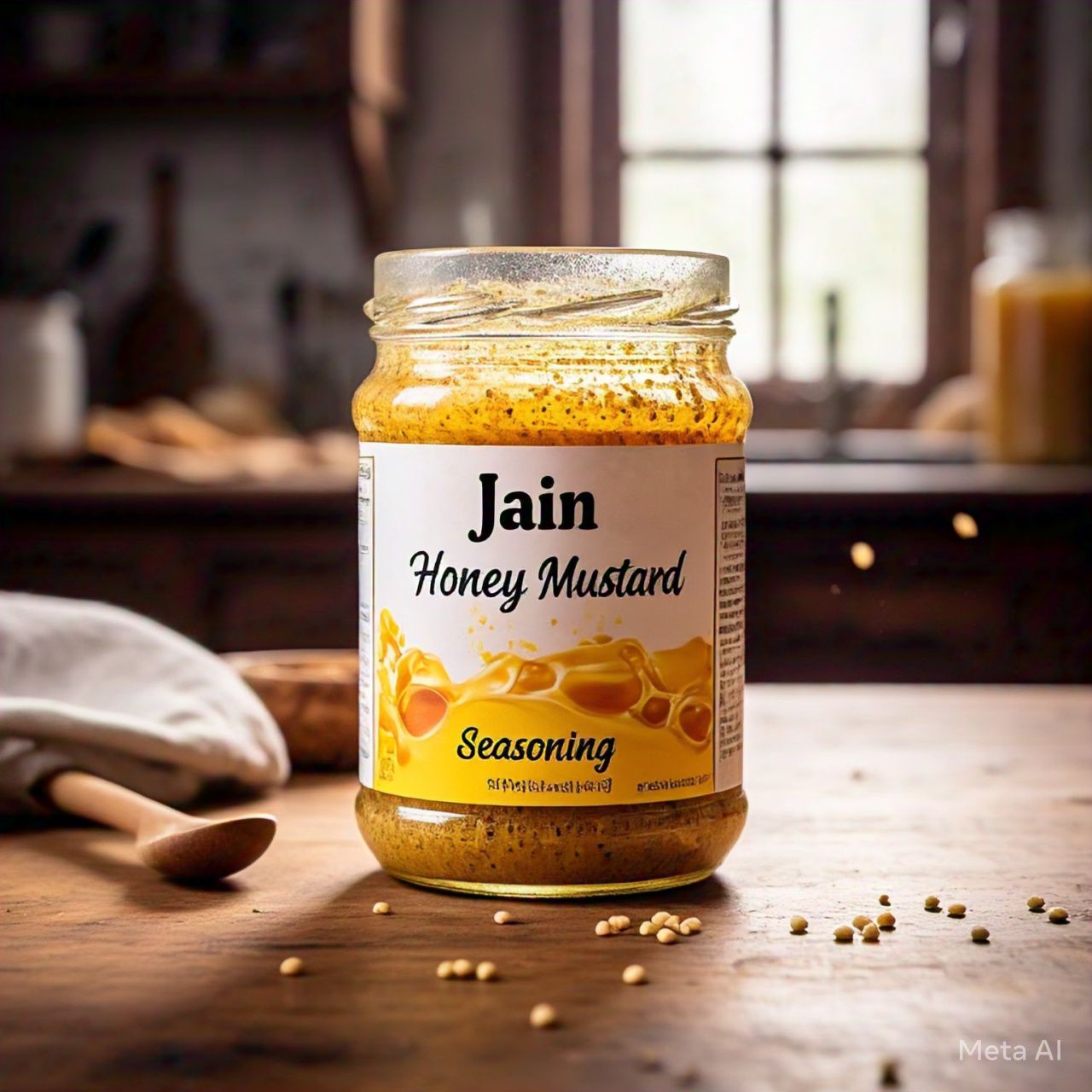
When it comes to flavoring your meals, Jain Honey Mustard Seasoning (No Onion No Garlic) offers the perfect balance of sweetness, tanginess, and warmth without compromising on your dietary principles. Whether you're following a Jain diet or simply looking for a healthier alternative to traditional mustard seasoning, this blend ensures you can enjoy a delicious, ethical experience every time.
Why Choose Jain Honey Mustard Seasoning?
Jainism teaches us to embrace non-violence (Ahimsa) in all aspects of life, including food choices. This seasoning avoids the use of onion and garlic, which are traditionally not consumed by Jains because they are believed to stimulate excessive passions and cause harm to living beings during harvest. Jain Honey Mustard Seasoning is designed to respect these values while offering a rich, savory flavor to your dishes.
What is Jain Honey Mustard Seasoning?
Jain Honey Mustard Seasoning is a carefully crafted blend that combines the sweetness of honey with the tangy mustard flavor. By leaving out the onion and garlic, it caters to individuals who follow Jain dietary guidelines while still delivering the full-bodied, savory experience of traditional honey mustard.
Key Features of Jain Honey Mustard Seasoning
- No Onion, No Garlic: Perfect for those adhering to Jain dietary laws.
- Tangy and Sweet: A unique combination of honey and mustard, offering a delightful balance of flavors.
- Vegan-Friendly: No other-based ingredients are used, making it suitable for plant-based diets.
- Ethically Sourced: Made with ingredients that support sustainability and ethical practices.
Benefits of Jain Honey Mustard Seasoning
Incorporating Jain Honey Mustard Seasoning into your meals provides various health, ethical, and culinary benefits:
1. Dietary Benefits
- Jain-Friendly: Ideal for individuals following Jainism’s dietary restrictions.
- No Onions, No Garlic: Perfect for those who avoid these ingredients for health or cultural reasons.
- Vegan: Contains no dairyl products.
2. Health Benefits
- Honey: Provides a natural source of sweetness and is known for its antimicrobial and antioxidant properties.
- Mustard: A rich source of essential nutrients such as magnesium, calcium, and fiber.
- No Artificial Additives: A clean, wholesome seasoning with no unnecessary chemicals.
3. Ethical and Sustainable
- Supports Jain Principles: Aligns with the ethical guidelines of Jainism, ensuring minimal harm to living beings during food production.
- Sustainably Sourced Ingredients: The blend uses ingredients that are responsibly sourced to reduce environmental impact.
How to Use Jain Honey Mustard Seasoning
Jain Honey Mustard Seasoning is highly versatile, making it suitable for a wide range of dishes. Here are some ways to incorporate it into your meals:
1. Salad Dressings
- Combine the seasoning with olive oil, lemon juice, and a touch of sweetener (like maple syrup) to create a tangy, creamy salad dressing.
- Drizzle it over fresh greens, roasted vegetables, or grain bowls for added flavor.
2. Vegan Dips
- Mix with vegan yogurt or tahini to make a creamy, zesty dip for veggies or crackers.
- Perfect for a vegan snack or party appetizer.
3. Sandwiches and Wraps
- Spread it onto whole grain bread, wraps, or pita pockets for a unique sandwich spread.
- Combine with fresh veggies and plant-based protein for a delicious, satisfying meal.
4. Roasted Vegetables
- Toss roasted vegetables, like carrots, cauliflower, and sweet potatoes, with Jain Honey Mustard Seasoning before baking for a delightful twist.
Cooking Tips for Jain Honey Mustard Seasoning
- Balance Flavors: Add a small amount of sweetener, like agave nectar or maple syrup, if you prefer a sweeter taste.
- Use in Marinades: Use this seasoning as a marinade for tofu or tempeh to infuse them with flavor before grilling or roasting.
- Experiment with Dips: Combine with different plant-based ingredients like avocado or vegan sour cream for a variety of dip textures and flavors.
Comparing Jain Honey Mustard Seasoning to Traditional Mustard Seasoning
| Feature | Jain Honey Mustard Seasoning | Traditional Mustard Seasoning |
|---|---|---|
| Onion and Garlic Content | No | Yes |
| Vegan | Yes | May contain dairy |
| Sweetness | Balanced sweetness from honey | Often tangy, less sweet |
| Ethical Considerations | Adheres to Jain principles of Ahimsa | Not tailored to specific dietary laws |
| Flavor Profile | Tangy and sweet with a hint of mustard | Primarily tangy with a mustard base |
Seasonal and Holiday Favorites with Jain Honey Mustard Seasoning
Jain Honey Mustard Seasoning can easily become a favorite in your holiday meals or seasonal recipes. Here are some ideas:
1. Summer Grilling
- Pair with grilled vegetable skewers for a smoky, tangy coating.
- Perfect as a dip for fresh fruit and vegetable platters during outdoor BBQs.
2. Holiday Gatherings
- Serve it as a unique dip for roasted potatoes or plant-based "meatballs" during family dinners.
- Use it as a drizzle over roasted winter vegetables like Brussels sprouts, squash, or sweet potatoes.
3. Picnic and Potluck Dishes
- Perfect for adding flavor to wraps and sandwiches, Jain Honey Mustard Seasoning will make your picnic or potluck spread more exciting.
Frequently Asked Questions (FAQ)
1. Is Jain Honey Mustard Seasoning suitable for a gluten-free diet?
Yes! Jain Honey Mustard Seasoning is naturally gluten-free, but always check the label to ensure no cross-contamination if you have severe gluten intolerance.
2. Can Jain Honey Mustard Seasoning be used in cooking?
Absolutely! This seasoning works great in cooking use it in marinades, dressings, or to enhance the flavor of roasted dishes.
3. Is Jain Honey Mustard Seasoning sugar-free?
While it contains honey, which is a natural sweetener, it may not be sugar-free. If you're looking for a sugar-free alternative, consider using agave or maple syrup as a substitute for honey.
4. How do I store Jain Honey Mustard Seasoning?
Store your seasoning in an airtight container in a cool, dry place to maintain its flavor and freshness for longer.
Impact of Food Waste on the Environment
The environmental effects of food waste are far-reaching and detrimental:
1. Greenhouse Gas Emissions
When food is thrown away, it decomposes in landfills and emits methane, a potent greenhouse gas that contributes to climate change.
2. Wasted Resources
Wasting food also means wasting water, energy, labor, and land resources that went into its production. This exacerbates environmental depletion.
3. Ethical and Environmental Responsibility
Choosing sustainable, plant-based seasonings like Jain Honey Mustard Seasoning can help reduce waste and encourage more conscious consumption. By avoiding food waste, we contribute to a healthier planet and respect Jain principles of minimizing harm to living beings.
Conclusion
Jain Honey Mustard Seasoning (No Onion No Garlic) provides a rich, tangy alternative to traditional mustard seasonings while aligning with Jain ethical practices. It offers a unique, sweet, and savory flavor profile, perfect for a variety of dishes from salads to dips, and can be enjoyed by those following vegan and gluten-free diets. With its health benefits, versatility, and environmentally responsible ingredients, this seasoning is an excellent addition to any kitchen

Share:
Jain Cool Ranch Seasoning (No Onion No Garlic): A Flavorful, Ethical Twist
Jain Roasted Masala Seasoning (No Onion No Garlic): A Flavorful, Ethical Choice