
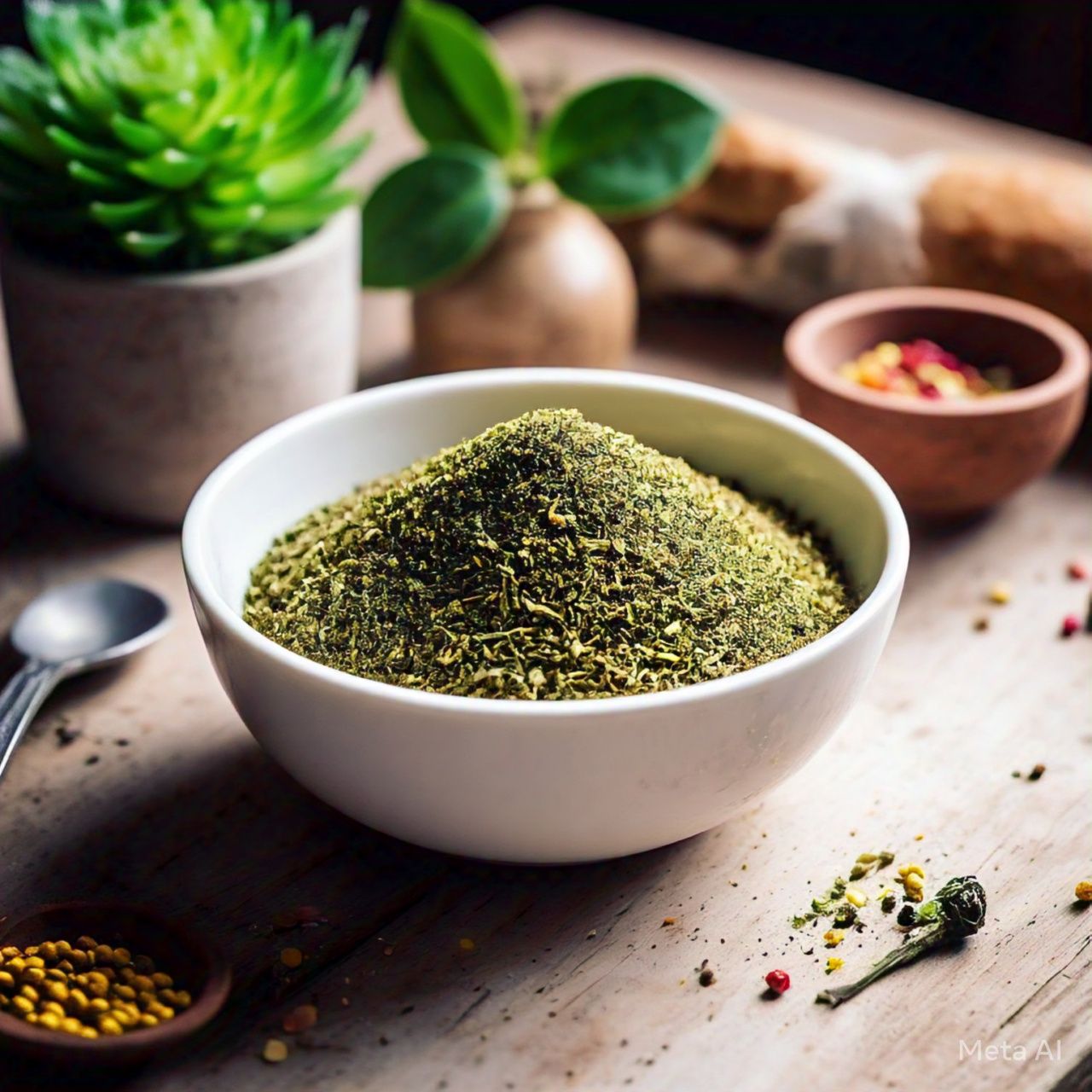
Jain cuisine, known for its distinctive and pure approach to food, avoids ingredients like onion and garlic. The Jain Hariyali Grill Seasoning (No Onion No Garlic) offers a perfect blend of flavors, making it an ideal seasoning for those who follow a Jain diet or prefer a garlic-free and onion-free lifestyle. This seasoning brings a fresh and aromatic flavor to your meals, especially when grilling vegetables, tofu, or paneer.
Why Choose Jain Hariyali Grill Seasoning?
What Makes Jain Hariyali Grill Seasoning Unique?
- No Onion, No Garlic: This seasoning is specifically designed to cater to Jain dietary restrictions, making it suitable for those who avoid these ingredients.
- Herbal and Fresh Ingredients: Infused with mint, coriander, and other aromatic herbs, the flavor profile is fresh and herbaceous.
- Perfect for Grilling: It enhances the taste of grilled vegetables, plant-based proteins, and even Jain-friendly snacks.
Primary Ingredients
- Fresh coriander
- Mint leaves
- Lemon zest
- Green chilies (optional for heat)
- Special blend of herbs and spices
Health Benefits of Jain Hariyali Grill Seasoning
- No Preservatives: Made from all-natural ingredients, ensuring a healthy option without preservatives or artificial flavorings.
- Rich in Antioxidants: The herbs in this seasoning, especially mint and coriander, are packed with antioxidants that may support the immune system.
- Digestive Aid: Many of the herbs used in the seasoning are known for promoting digestion and easing stomach discomfort.
Cooking Tips for Using Jain Hariyali Grill Seasoning
- Marinate Your Protein: Marinate paneer, tofu, or vegetables in a blend of the seasoning and a bit of olive oil for at least 30 minutes before grilling to allow the flavors to meld.
- Grill for a Perfect Texture: Grill on medium heat to avoid burning, ensuring that the herbs stay intact while cooking.
- Mix with Yogurt for a Creamy Dip: Combine the seasoning with plain yogurt to create a tangy dip that pairs perfectly with your grilled dishes.
Comparing Jain Hariyali Grill Seasoning to Other Grill Seasonings
What Sets Jain Hariyali Apart?
- No Onion, No Garlic: Unlike traditional grill seasonings, Jain Hariyali Grill Seasoning eliminates onion and garlic, making it perfect for Jain, vegan, and vegetarian diets.
- Fresh and Aromatic: The seasoning is packed with vibrant herbs like mint and coriander, which offer a fresh contrast to the smoky flavors of grilled foods.
- Versatility: While other grill seasonings often lean heavily on salt or chili powder, this seasoning brings a unique herbal complexity, making it ideal for a wide variety of dishes.
Common Grill Seasonings and How They Differ
- Classic Barbecue Seasoning: Often contains brown sugar, onion, garlic, and heavy spices. Not suitable for Jain diets.
- Lemon Pepper Seasoning: While it’s light and citrusy, it lacks the fresh herbal notes of Jain Hariyali Grill Seasoning.
- Tandoori Masala: A popular Indian spice mix, but it may contain garlic and onion, making it unsuitable for Jains.
Seasonal and Holiday Favourites with Jain Hariyali Grill Seasoning
Summer Grilling
- Ideal for summer cookouts, Jain Hariyali Grill Seasoning enhances the taste of grilled vegetables, making them a fresh and vibrant addition to your summer meals.
Festive Occasions
- During Diwali or other celebrations, use this seasoning to prepare festive Jain-friendly snacks like grilled vegetable skewers, stuffed peppers, or marinated tofu bites.
Holiday Specialties
- For family gatherings, Jain Hariyali Grill Seasoning can be sprinkled on roasted veggies, adding a zingy twist to traditional holiday sides like roasted carrots, potatoes, or cauliflower.
Question and Answers
Q: Can Jain Hariyali Grill Seasoning be used in Indian dishes?
A: Yes, Jain Hariyali Grill Seasoning works wonderfully in Indian recipes such as grilled kebabs, tikkis, or even to flavor a variety of dals and sabzis. Its fresh herbal notes complement the rich spices of Indian cuisine.
Q: Is it suitable for people with dietary restrictions?
A: Absolutely! This seasoning is perfect for anyone avoiding onion and garlic, including people following Jain, vegan, or vegetarian diets. It's also gluten-free and contains no artificial preservatives.
Q: Can I use Jain Hariyali Grill Seasoning in a salad dressing?
A: Yes, you can mix the seasoning with olive oil, lemon juice, and a pinch of salt to create a light and refreshing salad dressing.
The Environmental Impact of Food Waste
Food waste is a growing concern for the environment. Here’s how Jain Hariyali Grill Seasoning can make a positive impact:
- Waste Reduction: Using fresh ingredients and seasoning helps you minimize food waste by reducing reliance on processed or pre-packaged products.
- Sustainability: By opting for plant-based, no-onion, no-garlic recipes, you can reduce the environmental footprint of your meals.
- Preserving Fresh Produce: Jain Hariyali Grill Seasoning encourages the use of fresh herbs and seasonal vegetables, promoting sustainable food sourcing.
Conclusion: Embrace a Healthier, Flavorful Future
Jain Hariyali Grill Seasoning (No Onion No Garlic) is more than just a seasoning it’s a way to enhance your meals while adhering to dietary restrictions and promoting sustainability. It’s an ideal choice for health-conscious individuals who want to enjoy the rich flavors of grilled food without the use of onion, garlic, or artificial additives. With its fresh herbs, versatility, and eco-friendly approach, this seasoning is set to become a staple in your kitchen.

Share:
Jain Hot & Spicy Marinade (No Onion No Garlic): Bold Flavors for Every Dish
Jain Harissa Seasoning (No Onion No Garlic): A Spicy and Flavorful Addition to Your Kitchen