□
Jain Dal Fry Tadka Masala (No Onion No Garlic): A Healthy and Flavorfu – 365 Spicery | Premium Indian Spices Manufacturer & Exporter

Export-Quality Indian Spices • Worldwide Shipping

SHOP NOW

Farm Story

Grown by the Farukh family on their ancestral land in Pulwama in the Kashmir valley, from seed that has been passed down for generations, alongside purple stripe heirloom garlic. This is true Kashmiri mirch - hot as ever, and with that deep color and heat that iconic Kashmiri dishes like our farm partner Bashir Ahmed's famous rogan josht is known for! - Read The 365 Spicery Chilli Primer that our recipe editor Asha put together for more information about the differences between all of our chillies, including how to dehydrate whole chillies, and ideas for how to use them!

Farm Story

Grown by Raqib Mushtaq on his family's 3.75 acre farm in the historic saffron district of Pampore, where they have been growing saffron for as far back as his grandparents can remember. Brought to the Valley by Persian traders in the 12th century AD, Kashmiri saffron's reputation as being the pinnacle of flavor and aroma precedes it. One whiff of Raqib's harvest and I knew it was all true!

Farm Story

Pink Pahadi Garlic is sourced for us by Tons Trails — a community enterprise dedicated to bringing high-value economic engagement to 37 Himalayan villages. It is grown alongside rajma beans, apples, and lots of happy grazing goats!

Farm Story

This black tea is organically farmed on Chota Tingrai, an estate in the Tinsukia region of Assam that is one of the first tea estates to be owned and operated by an Indian family in independent India. Situated in the fertile valley of Brahmaputra, a major river that connects India, Tibet and Bangladesh, the Chota Tingrai estate has found great success in organic tea management and focuses on improving soil fertility. CTC tea — named after a processing method known as crush, tear, curl — yields a stiff, medium-strength cup that holds up beautifully to milk and spices. It is the tea of choice for the millions of cups of chai made every day on the subcontinent.

Farm Story

Grown by a small group of organic farmers in the Jaintia hills alongside Lakadong turmeric and black sesame. This wildly strong, surprisingly tiny heirloom ginger variety (Makhir means small in Khasi!) is sourced for us by our friends at Zizira, a small team of Meghalaya locals dedicated to connecting Meghalayan farmers to better markets. Besides sheer potency, it's also more caramel-y and aromatic than any ginger you've ever tried!

Farm Story

Grown wild and foraged by the Ningthi village in the Ukhrul hills, this sundried and hand-pounded Heimang or Chinese Sumac is sourced for us by our friends at Hillwild. Sumac is used as a tangy, flavorful souring agent when fresh lemons aren't in season, and may also ease digestion.

Farm Story

Proudly grown by a cooperative of farmers in Sirārakhong and sourced for us by our friends Zeinorin & Alan of Hillwild. Legend has it that the villagers' ancestors found these exquisitely long, vibrant chillies growing in the wild on a hunting trip that they then brought home and have made a part of their daily cuisine ever since. Many nearby villages have tried to grow the Sirārakhong Hāthei chillies, but something about the terroir of Sirarakhong produces the very best of the best! - Read The Diaspora Chilli Primer that our recipe editor Asha put together for more information about the differences between all of our chillies, including how to dehydrate whole chillies, and ideas for how to use them!

Farm Story

The Vishoi family has been farming cumin organically for the last five years in the district of Jodhpur. Our Jodhana Cumin is grown alongside groundnuts, wheat, and fenugreek, and farmed using vermicomposting, natural pest repellent, and fermented fertilizers. Mangilal Vishoi's dream is to build a resource center to provide bio inputs to other farmers and help grow the regenerative movement!

Farm Story

We're so proud to be partnering with the Agariya community, a tribe that has been working in the salt district of Gujarat, India for generations, to bring you this solar-powered, earth-filtered, and hand-pounded salt. Using solar pumps provided by our local NGO partners, the Agariyas harvest this bright, inland salt from the desert’s underground water table. The salt’s high-mineral content is preserved through a slow-filtration process through the desert soil. In partnership with a local women's self-help group, whose members then hand-pound the salt to the perfect texture for everyday use, we are able to ensure that the salt retains as much flavour as possible. Our salt comes from the famous desert salt pans in the Wild Ass Sanctuary and Little Rann of Kutch in Gujarat. After Gandhi's Dandi Salt March in 1930, Gujarati salt became a symbol of freedom and an act of nonviolent civil disobedience against the British Empire. We like to think of ours as emblematic of sunshine and freedom alike.

Farm Story

Grown on the Sakariya family farm, our Hariyali Fennel is found alongside Nandini Coriander, Resham Patti Chilli, desi cotton, and heirloom wheat. This variety has been derived from Sakariya family matriarch Bhanuben's indigenous seed collection, and gentle post-processing allows it to remain a beautiful parrot green color!

Farm Story

Grown on the Sakariya family farm amidst custard apples, guavas, and heirloom wheat, our Nandini coriander is named after the Sakariya family's beloved cow, the undisputed matriarch of their regenerative farm. It's a variety that Dharmesh, a third generation farmer and natural farming expert has keenly developed for its incredible fragrance and vibrant coloring.

Farm Story

Grown in the historic, rain-fed, sugarcane-growing Daund region, our jaggery is grown and processed by Kantilal Randive, a well-known soil health expert. Our sugarcane is intercropped with dhaincha (sesbania bispinosa), chickpeas, and wheat for soil health. Its juice is clarified using traditional methods — incorporating wild okra to remove the impurities — for a clean, nutty jaggery powder! Use the jaggery to sweeten your cups of chai and haldi doodh, and for other drinks, baked goods, and more! Given that jaggery has a high molasses content (AKA the nutritious brown stuff that is usually pulled out of sugar during the refining process), expect a deep, rich flavor that comes in clutch when you're subbing it in for any sugars.

Farm Story

Grown by the Bisirotti family that brings you those gorgeous Byadgi chillies, this variety of Ajwain grows wild all over the farm, and just happens to be several times more flavorful and potent than any other ajwain we've tried! Grown alongside millets, wild tomatoes and chillies in the hot, dry red earth plains of Karnataka where Maleshappa Bisirotti has become something of a farming icon for his commitment to sustainability!

Farm Story

Grown by Maleshappa Bisirotti, an award-winning natural farmer whose Byadgi chillies are famous across several states for being the gold standard of this mild, richly hued variety. We've been working with the Bisirotti family since 2019 to expand their production to meet our scale and standards, so we're very excited to finally present this epic chilli that has been years in the making! - Read The Diaspora Chilli Primer that our recipe editor Asha put together for more information about the differences between all of our chillies, including how to dehydrate whole chillies, and ideas for how to use them!

Farm Story

We taste tested 9 different peppers from some of the best farms and estates across the country, and this one won out by far. She's complex and deep like nice wine, and still got a nice fruity heat in the back. Grown on the Parameswaran family farm, where Parameswaran and his son Akash have been naturally farming pepper for over 35 years, amidst passion fruit, tigers (no, really!), and the largest collection of bamboo and palm varieties in the region! Their Aranya pepper is vine ripened, hand harvested with utmost care to ensure maximum flavor and unreasonably tastiness.

Farm Story

Our Aranya Black Pepper is our pride and joy, and its counterpart Aranya White Pepper is no less exceptional. Using only the ripest berries, our peppercorns are repeatedly soaked to remove the outer skin and reveal a greyish white core that is then sundried. The process is labor-intensive, but the delicious payout is worth it. The resulting pepper is sharper in taste and perfect in Regional Chinese dishes like Cantonese salt & pepper pork chops, chicken wings, hot and sour soup, and any other dishes where you don’t want the appearance of black pepper. Grown on the Parameswaran family farm, where Parameswaran and his son Akash have been naturally farming pepper for over 35 years, amidst passion fruit, tigers (no, really!), and the largest collection of bamboo and palm varieties in the region! Their white pepper is vine ripened, hand harvested with utmost care to ensure maximum flavor, and unreasonably tasty.

Farm Story

Mace - the dried outer lacy covering of nutmeg is its sweeter, milder counterpart with notes of raw mango, fennel, papaya, and lemongrass. Both add richness and depth to curries, spice blends, and slow cooked meats that is irreplaceable. Grown by Harish Manoj Kumar & Karthikeyan Palaniswamy on their family estate at the base of the Western Ghats alongside their award-winning Anamalai Cacao. Your mace is fully tree ripened for maximum flavor and oil content, which keeps it aromatic in your kitchen for longer! Manoj is a regenerative farmer and has converted the entire estate to be 100% chemical free since 2012, a change that has caused the nutmeg trees with their shallow root systems to really flourish and transform as the soil has gotten more and more nourishment.

Farm Story

Grown by Harish Manoj Kumar & Karthikeyan Palaniswamy on their family estate at the base of the Western Ghats alongside their award-winning Anamalai Cacao. Your nutmeg is fully tree ripened for maximum flavor and oil content, which keeps it aromatic in your kitchen for longer! Manoj is a regenerative farmer and has converted the entire estate to be 100% chemical free since 2012, a change that has caused the nutmeg trees with their shallow root systems to really flourish and transform as the soil has gotten more and more nourishment.

Farm Story

Winner of the 2022 Good Food Awards, our cacao powder is organically grown by Harish Manoj Kumar and Karthikeyan Palaniswamy on their family farm at the base of the Western Ghats. It's a minimally processed (not Dutch processed), non-alkalized cacao powder meaning that it's rich in all its naturally occurring nutrients and antioxidants. That super lush chocolatey mouthfeel? Hella cocoa butter, baby! Made from Anamalai Estate’s award winning cacao beans, this is a beautiful showcase of the potential of Indian cacao. The fact that these beans are grown on a single estate means that you’re tasting a true expression of terroir i.e. the soil they were planted in, and the seasons they grew through. The cacao is intercropped with nutmeg and coconut palms, on land that was originally a eucalyptus grove, then a guava orchard, and now a diverse ecosystem where desi cows roam by day, and elephants scratch their backs on the coconut palms by night! No added sugar. 100% raw cacao powder.

Farm Story

These Kaveri Vanilla beans are sweet, creamy, and so juicy! Sourced for us by Reginald and his family, who have been curing vanilla using their secret family technique for three generations, these vanilla beans have been grown by over 100 smallholder farmers across the hills of Idukki. Each farm grows just a few precious vines to add value to their coconut, coffee, and black pepper crops!

Farm Story

Grown and foraged for us by our friends at Eko Land, a community of organic farmers from the heart of Sri Lanka! This very special cinnamon is a freshly ground blend, developed just for us. It's equal parts "Peni" or sweet, honey-tasting chips from younger trees, and then "Miris" or extra spicy chips from wild old-growth trees.

Farm Story

Grown in the forests of Kandy alongside wild cinnamon, nutmeg, and the biggest jackfruits you have ever seen. These plump, oil-rich gems are hand-harvested and hand-sorted for us by our friends at Eko Land Produce, a community of organic farmers from the heart of Sri Lanka!

Farm Story

Grown and foraged for us by our friends at Eko Land, a community of organic farmers from the heart of Sri Lanka, these wild cinnamon quills are harvested from spicy or "miris" old growth trees. Gently hand crushing a quill into your cooking can turn a simple pot of rice into an aromatic experience and bring just about any stew or curry to life. And since cinnamon loses it volatile oils and flavor compounds so quickly, using quills ensures that you're getting the freshest and most potent cinnamon there is!

Farm Story

Grown by the Chacko family amidst black pepper, coffee, and flowers on their estate turned wild food forest! As a pioneer in the natural farming movement, Mr. Chacko is one of the only farmers that has been able to domesticate a wild cardamom variety that thrives without pesticides, and is still beautifully aromatic!

Farm Story

Your rose petals are organically grown by Parvathi Menon and her wonderful team on a 10 acre farm heaving with an abundance of bananas, limes, avocados and rain-fed turmeric in northern Tamil Nadu. After two years of trial and error, Parvathi finally figured out how to grow the Damask Rose (or Panneer Rose in Tamil), that whilst prized for being incredibly fragrant, is also known to be extremely delicate and very high maintenance, especially when grown regeneratively, without pesticides. Since the rose petals need to be processed everyday when they are perfectly in bloom, Parvathi designed an ingenious solar powered dehydration system that is just gentle enough to help the petals retain their deep colouring and lock in their renowned fragrance. We’ve been grinding small batches into our coffee beans, topping our desserts with these bursts of pink, and even steeping them in cream for a little floral joy in our everyday lives.

Farm Story

Grown in accordance to the principles of zero budget natural farming on the Narne family farm in the historic chili growing region of Guntur, Andhra Pradesh. Brothers Hanumantharao and Satyanarayana Rao make us believe in the future of sustainable agriculture in India, as our elders, and teachers. Ingredients: 87% ground Sannam chillies, 5% Sesame oil, 8% Salt Read The Diaspora Chilli Primer that our recipe editor Asha put together for more information about the differences between all of our chillies and ideas for how to use them!

Farm Story

Grown by our beloved Kasaraneni family amidst marigolds, bananas, and black rice on their 3rd generation farm. Whilst Mr. Prabhu Kasaraneni’s family has been farming for three generations, he is a self-taught organic farmer who began growing heirloom Pragati turmeric in 2015, with assistance from the Indian Institute of Spice Research. This is the spice Sana started the company with! In search of an heirloom turmeric that was regeneratively grown as well as delicious, she was recommended to Mr. Prahbu Kasareneni by the Indian Institute of Spice Research. Prahbu was a young idealistic farmer, and the only one in his area to start growing regeneratively, which initially brought critique from nearby farmers, until they saw how well he was doing. Today, it is still one of our most well-loved spices, and for good reason—it's delicious!

Farm Story

Your moringa powder is grown by the late Channabasappa's family, who have been farming this land for three generations alongside sunflowers, betel nuts and maize. The family is part of small collective of betel nut farmers that share labor and support each other; they have recently started growing this indigenous variety of moringa as a perfect shade plant to grow alongside their betel nuts. This origin is sourced exclusively for us by our friend Ekom of Moringa What, a bright light of integrity and transparency on a mission to bring beautiful single estate, shade-dried, sustainably grown, and culturally-rooted moringa powder to the world.

Farm Story

Grown on the Mehra family farm alongside pomelos and mangoes, these fenugreek seeds smell like sweet maple cookies, but when cooked, add an indescribably aromatic depth and bitterness. The Svaguna estate is our largest partner yet — an ambitious 300 acre project dedicated to reforestation and seed saving.

Farm Story

Grown on the Mehra family farm, this is an indigenous variety of mustard that produces tiny dotty seeds that pack a super high oil content, which means they're bursting with flavor and pungency. Black mustard is such a hardy, drought resistant crop that the Mehras use to transform barren land into rich, replenished soil whilst still keeping the land productive and profitable.


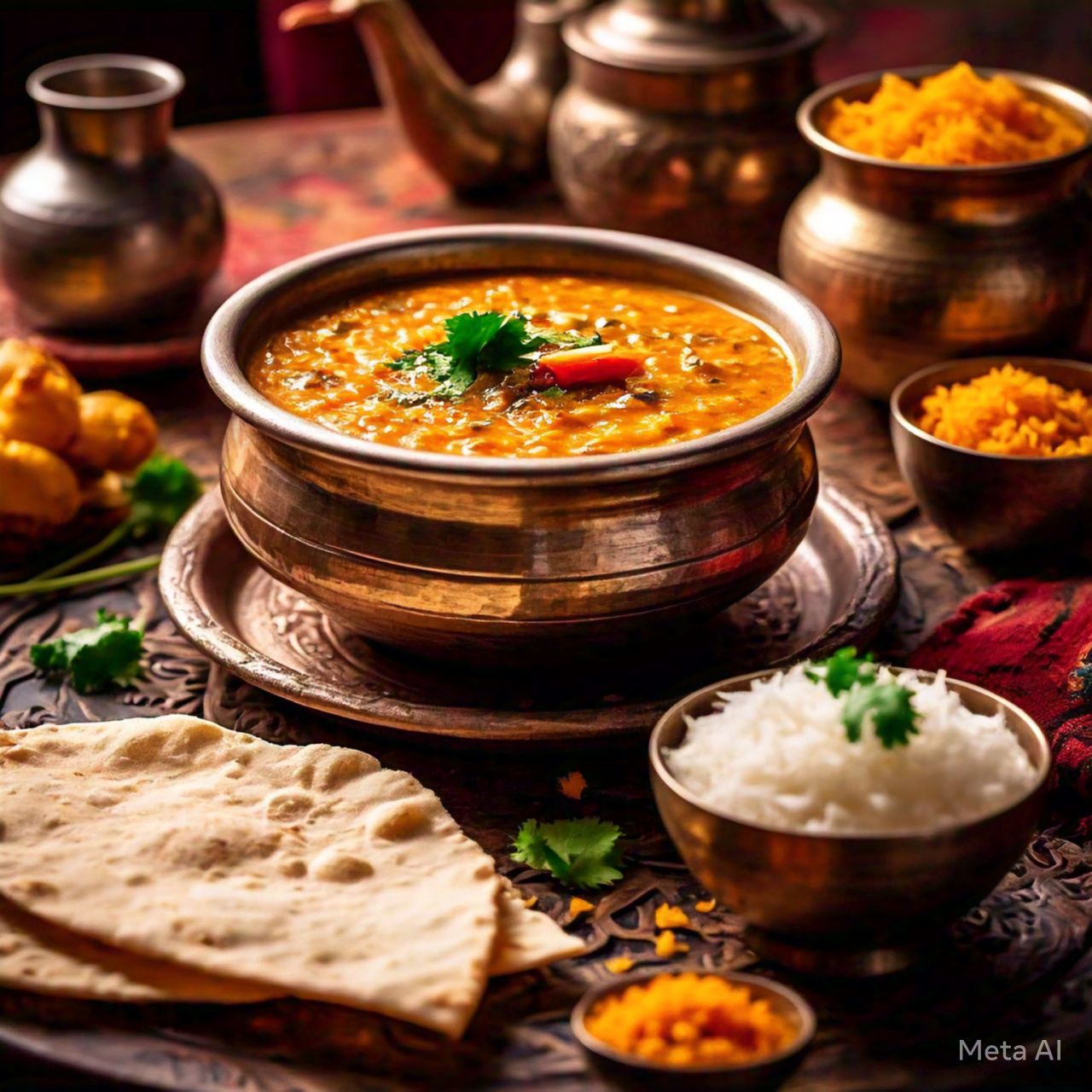
Jain Dal Fry Tadka Masala (No Onion No Garlic) is a delicious, aromatic, and wholesome dish that caters to the dietary preferences of individuals following Jainism or vegan diets. This unique variation of dal fry is prepared without the use of onions or garlic, which are avoided in Jain cuisine. In this blog, we explore the key benefits, uses, and cooking tips for making Jain Dal Fry Tadka Masala, along with its environmental impact and more.

What is Jain Dal Fry Tadka Masala?

Jain Dal Fry Tadka Masala is a flavorful and aromatic spice blend used to prepare a comforting and hearty dish made with lentils, commonly known as dal. Unlike traditional recipes that use onions and garlic, Jain Dal Fry Tadka Masala is crafted without these ingredients, making it suitable for those adhering to Jain dietary principles. The masala typically contains cumin, coriander, garam masala, and a mix of other spices, creating a perfect balance of flavors.

Ingredients in Jain Dal Fry Tadka Masala

  • Cumin Seeds (Jeera): Adds a mild, earthy flavor and promotes digestion.
  • Coriander Seeds (Dhania): Provides a subtle, citrusy flavor that complements the richness of the lentils.
  • Turmeric Powder (Haldi): Known for its anti-inflammatory properties, it also imparts a vibrant yellow color.
  • Chili Powder (Lal Mirch): Adds a hint of heat and spice to the dish.
  • Asafoetida (Hing): Used sparingly to enhance the overall flavor and aid digestion.
  • Garam Masala: A rich blend of aromatic spices like cinnamon, cardamom, and cloves, perfect for adding depth to the dal.

Health Benefits of Jain Dal Fry Tadka Masala

Jain Dal Fry Tadka Masala provides numerous health benefits, thanks to its combination of wholesome spices and lentils:

1. Rich in Plant-Based Protein

Lentils are an excellent source of plant-based protein, making Jain Dal Fry Tadka Masala a great option for vegetarians and vegans. Protein is essential for muscle building, repair, and overall body functions.

2. Anti-Inflammatory Properties

The combination of turmeric and cumin in Jain Dal Fry Tadka Masala has potent anti-inflammatory effects, which help in reducing body inflammation and alleviating joint pain.

3. Supports Digestive Health

Cumin, coriander, and asafoetida promote better digestion by stimulating digestive enzymes, reducing bloating, and soothing the stomach.

4. Rich in Antioxidants

The spices in Jain Dal Fry Tadka Masala contain antioxidants that fight free radicals and protect the body from oxidative stress, reducing the risk of chronic diseases.

5. Supports Heart Health

Spices such as cumin and coriander have been shown to help lower cholesterol and improve heart health by reducing the risk of cardiovascular diseases.

Uses of Jain Dal Fry Tadka Masala

Jain Dal Fry Tadka Masala is not just limited to dal fry. You can use it in a variety of dishes:

1. Dal Fry (Traditional Dish)

The primary use of this masala is to prepare Dal Fry, a popular Indian lentil dish. Simply cook your lentils, and add the prepared masala for an aromatic and flavorful meal.

2. Vegetable Curries

Use Jain Dal Fry Tadka Masala to enhance the flavor of various vegetable curries like aloo-gobhi, mixed vegetable curry, or baingan bharta.

3. Rice and Pulao

You can add Jain Dal Fry Tadka Masala to your rice or pulao dishes for an extra burst of flavor.

4. Stuffed Parathas

Incorporate the masala into stuffed parathas, mixed with mashed potatoes or vegetables, for a quick and tasty meal.

5. Lentil Soups and Stews

This masala can also be added to soups and stews, especially those made with lentils, to enhance flavor and aroma.

Cooking Tips for Jain Dal Fry Tadka Masala

To get the best results from Jain Dal Fry Tadka Masala, follow these cooking tips:

1. Use Fresh Spices

To maximize the flavor, always use freshly ground spices whenever possible. Fresh cumin, coriander, and garam masala will bring out the best flavors in the dish.

2. Simmer Slowly

Allow the dal to simmer slowly to absorb all the spices and flavors. The longer you cook the dal, the richer and more flavorful it becomes.

3. Adjust Spice Levels

Jain Dal Fry Tadka Masala can be customized based on your spice preference. If you like a spicier dish, you can increase the amount of chili powder or add green chilies.

4. Use Ghee or Oil for Tadka

For a traditional dal fry, temper the masala with ghee (clarified butter) or oil before adding it to the cooked dal. This enhances the flavor and richness of the dish.

5. Add Fresh Cilantro

Garnish the dish with fresh cilantro (coriander leaves) to add a refreshing and aromatic touch to your dal fry.

Jain Dal Fry Tadka Masala vs. Traditional Dal Fry Masala

Feature Jain Dal Fry Tadka Masala Traditional Dal Fry Masala
Onion & Garlic Excluded Included
Flavor Profile Subtle, aromatic Bold, savory
Dietary Restrictions Jain, Vegan Non-Jain, Non-Vegan
Health Focus Anti-inflammatory, digestion support Varies, depends on added ingredients
Suitability for Special Diets Suitable for Jain, vegan diets Suitable for mixed diets

Seasonal and Holiday Favorites

Jain Dal Fry Tadka Masala is perfect for various occasions:

1. Winter Comfort Food

Dal fry is a hearty dish that warms you up during the cold winter months. Pair it with roti or steamed rice for a fulfilling meal.

2. Festive Celebrations

This masala is a great choice for family celebrations, especially during festivals like Diwali and Navratri when many people follow Jain dietary restrictions.

3. Weekday Meals

Make this dish a staple for your weekday meals. It's easy to prepare, nutritious, and filling, making it a great go-to option.

Impact of Food Waste on the Environment

Reducing food waste is crucial for protecting the environment, and Jain Dal Fry Tadka Masala offers several ways to help minimize waste:

1. Long Shelf Life of Spices

The spices used in Jain Dal Fry Tadka Masala have a long shelf life, which helps reduce spoilage and waste. This is especially beneficial when buying in bulk.

2. Efficient Use of Ingredients

Lentils and legumes are shelf-stable and have long storage life, reducing food waste in your pantry.

3. Sustainable Meal Planning

As a plant-based dish, Jain Dal Fry Tadka Masala promotes sustainability by supporting plant-based eating, which has a lower environmental footprint compared to animal products.

FAQ About Jain Dal Fry Tadka Masala (No Onion No Garlic)

Q1: Can I use Jain Dal Fry Tadka Masala in other recipes?

Yes! Jain Dal Fry Tadka Masala can be used in vegetable curries, rice dishes, soups, and even as a seasoning for stuffed parathas.

Q2: How should I store Jain Dal Fry Tadka Masala?

Store the masala in an airtight container in a cool, dry place. It will stay fresh for several months and retain its full flavor.

Q3: How can I adjust the spice levels in Jain Dal Fry Tadka Masala?

The spice levels can easily be adjusted by increasing or decreasing the amount of chili powder and garam masala used in the recipe. You can also add fresh green chilies for an extra kick.

Q4: Is Jain Dal Fry Tadka Masala vegan-friendly?

Yes, Jain Dal Fry Tadka Masala is 100% plant-based and vegan-friendly.

Conclusion

Jain Dal Fry Tadka Masala (No Onion No Garlic) is a flavorful and nutritious spice mix that adds depth and richness to any dal dish. With its blend of healthy spices, it provides numerous health benefits, including digestive support and anti-inflammatory properties.


Latest Stories

View all

The Perfect Seasoning Formula: Salt, Spice, Tang & Umami

The Perfect Seasoning Formula: Salt, Spice, Tang & Umami

🧪 The Perfect Seasoning Formula: Salt, Spice, Tang, Aroma & Umami ExplainedHave you ever tasted a bag of gourmet potato chips or a high-end restaurant curry and found it completely impossible to stop eating? That irresistible, mouth-watering compulsion is not...

Read more

Why Restaurant Food Tastes Better: The Science of Seasoning

Why Restaurant Food Tastes Better: The Science of Seasoning

👨‍🍳 Why Does Restaurant Food Taste Better? The Science & Secret of Perfect SeasoningYou buy the exact same cut of meat, you follow the recipe down to the milligram, and you cook it to the perfect temperature. Yet, when you...

Read more

No Onion, No Garlic: The New Generation of Jain Seasonings

No Onion, No Garlic: The New Generation of Jain Seasonings

🚫🧅 No Onion. No Garlic. Full Flavour: The New Generation of Jain SeasoningsIn Western culinary tradition, a savory dish without onions or garlic is almost unthinkable. They are the foundational building blocks of flavor—the classic mirepoix or sofrito. However, in...

Read more

Chat with us