
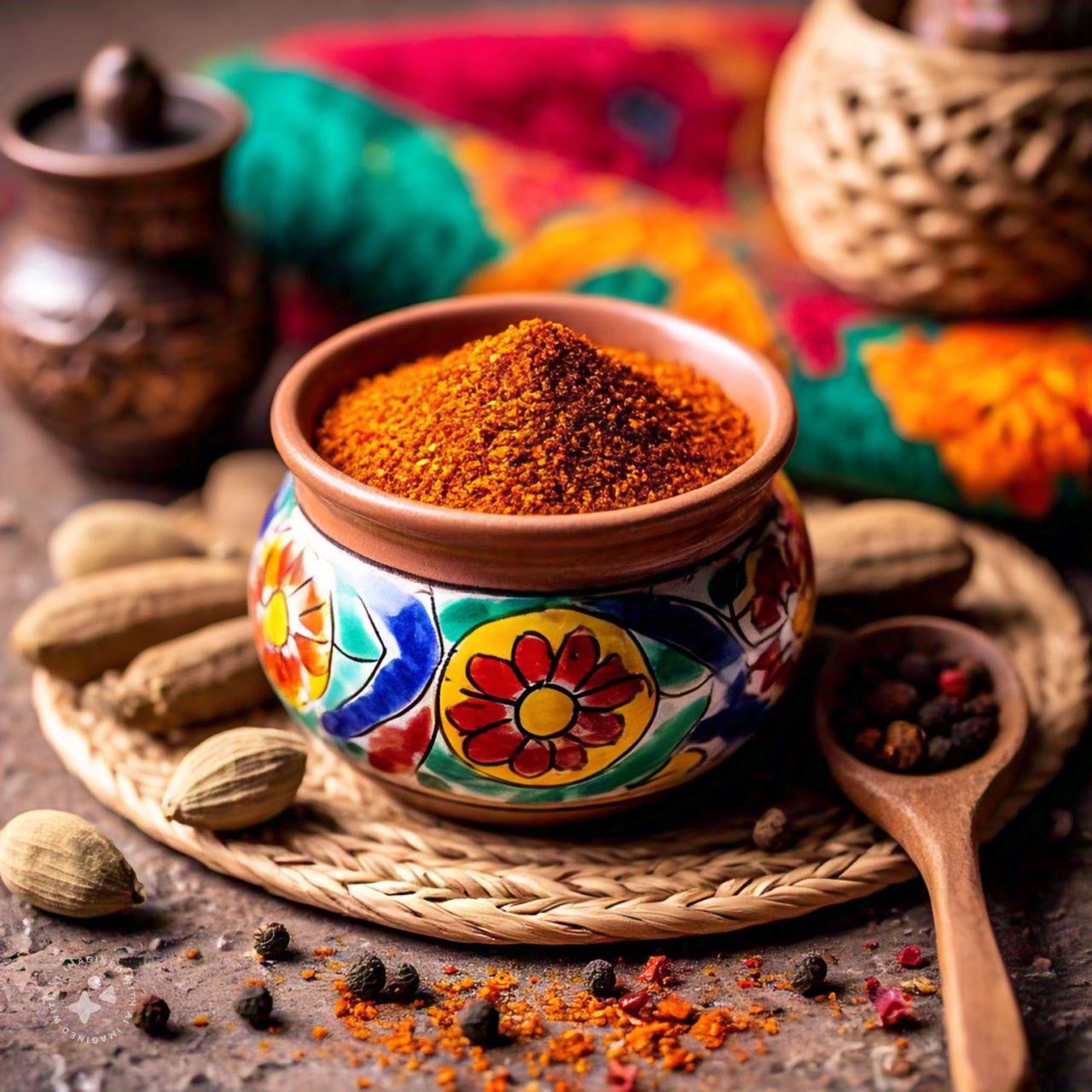
Hawaij seasoning is a flavorful and versatile spice blend originating from Yemen. It is used in various cuisines and is known for its unique combination of warm spices. While traditionally associated with Middle Eastern and North African dishes, hawaij seasoning has gained popularity worldwide for its ability to elevate both sweet and savory meals. This blog post dives deep into the uses, benefits, seasonal favorites, and environmental impact of this aromatic spice blend.
Table of Contents
- What is Hawaij Seasoning?
- Key Ingredients in Hawaij Seasoning
- Health Benefits of Hawaij Seasoning
- How to Use Hawaij Seasoning
- Seasonal and Holiday Favorites with Hawaij
- Impact of Food Waste on the Environment
- Common Questions About Hawaij Seasoning
- Conclusion
What is Hawaij Seasoning?
Hawaij is a traditional Yemeni spice blend with a rich, aromatic flavor. The name "Hawaij" translates to "spices" in Arabic, and it refers to various blends tailored to different culinary needs. The two most common types of hawaij are savory hawaij (used for soups, strews) and sweet hawaij (used for desserts, coffee, and baking). It’s a blend of ground spices known for its warm, aromatic flavor profile.
Key Ingredients in Hawaij Seasoning
Hawaij seasoning’s blend of spices varies based on the type (savory or sweet), but the following ingredients are typical in both versions:
Savory Hawaij:
- Cumin: Adds earthy depth to the seasoning.
- Coriander: Brings a mild citrusy, herbal flavor.
- Turmeric: Offers a golden color and mild bitterness.
- Black Pepper: Adds heat and sharpness.
- Cardamom: Contributes a sweet and spicy flavor.
Sweet Hawaij:
- Cinnamon: Brings warmth and sweetness.
- Ginger: Adds a zesty kick to sweet dishes.
- Cloves: Contribute depth and warmth to the flavor profile.
- Nutmeg: Adds richness and earthiness to the blend.
Health Benefits of Hawaij Seasoning
Hawaij seasoning not only elevates the flavor of your food but also offers several health benefits due to its antioxidant-rich ingredients. Here’s how hawaij can positively impact your health:
- Anti-inflammatory Properties: Ingredients like turmeric and ginger are known for their anti-inflammatory properties, potentially aiding in reducing pain and swelling.
- Digestive Health: Cumin, coriander, and cardamom are beneficial for digestive health, as they help with bloating, indigestion, and gas.
- Antioxidant Power: Turmeric, cinnamon, and ginger are rich in antioxidants, which may help protect the body against free radical damage.
- Improved Blood Circulation: Spices like cinnamon and ginger promote better circulation and may help regulate blood sugar levels.
How to Use Hawaij Seasoning
Hawaij seasoning is incredibly versatile and can be used in a wide range of dishes. Here are some ways to incorporate it into your meals:
1. Soups and Stews
- Add savory hawaij to soups and stews, such as lentil or chickpea soup, for an aromatic, warming flavor.
2. Roasted Vegetables
- Sprinkle savory hawaij on roasted vegetables like cauliflower, carrots, or sweet potatoes for a flavorful side dish.
3. Coffee and Hot Beverages
- For a unique twist, add sweet hawaij to your coffee or hot chocolate for a spicy, warming kick.
4. Baked Goods
- Sweet hawaij is perfect for flavoring cakes, cookies, and pies, especially those with pumpkin or apple flavors.
5. Rice and Grains
- Use savory hawaij to flavor rice, quinoa, or couscous, adding complexity to your grain-based dishes.
Seasonal and Holiday Favorites with Hawaij
Hawaij seasoning can help you craft memorable dishes for different seasons and holidays, adding unique flavors to your festive meals.
Spring and Summer
- Grilled Vegetables: Sprinkle savory hawaij on grilled vegetables for a fragrant, flavorful summer dish.
- Salads: Sweet hawaij works well in vinaigrettes or in fruit salads for a warm, sweet, and spicy note.
Autumn and Winter
- Holiday Desserts: Sweet hawaij is a great addition to pumpkin pies, spiced cookies, and apple crisps during the colder months.
- Soups and Stews: Add savory hawaij to hearty soups or stews, like butternut squash soup or vegetable chili, for a comforting winter meal.
Impact of Food Waste on the Environment
Food waste is one of the leading contributors to environmental damage, particularly in landfills where it generates harmful methane gas. Reducing food waste is essential for a sustainable future. Here are a few ways hawaij seasoning can help reduce waste:
- Revamping Leftovers: Use hawaij to refresh and repurpose leftover vegetables, grains, or soups, making them more flavorful and exciting to eat.
- Reducing Spoilage: Seasoned dishes tend to last longer, so using hawaij in your meals can help extend their shelf life and reduce the likelihood of food waste.
By creatively incorporating hawaij into your meals, you can reduce waste, enjoy a flavorful and varied diet, and contribute to environmental sustainability.
Common Questions About Hawaij Seasoning
1. Is Hawaij seasoning vegan-friendly?
Yes! Hawaij seasoning is entirely plant-based, making it suitable for vegans and vegetarians.
2. Can I make my own Hawaij seasoning at home?
Absolutely! You can create your own hawaij seasoning by combining spices like cumin, coriander, turmeric, and cardamom for savory hawaij, or cinnamon, ginger, and cloves for sweet hawaij.
3. What dishes can I use Hawaij seasoning with?
Hawaij is extremely versatile. Use savory hawaij in soups, stews, roasted vegetables, and grains. Sweet hawaij is perfect for baked goods, hot beverages, and fruit-based dishes.
4. Can Hawaij be used in non-Middle Eastern dishes?
Yes! Hawaij seasoning works well in a variety of cuisines. You can incorporate it into global dishes to add an exotic twist, whether you’re cooking Mediterranean, North African, or even American comfort foods.
Conclusion
Hawaij seasoning is a must-have spice blend that can enhance your cooking with its unique, aromatic flavors. Whether you’re adding it to soups, stews, desserts, or drinks, hawaij brings warmth and complexity to any dish. Additionally, its health benefits and ability to reduce food waste make it a valuable addition to your pantry. Embrace hawaij in your kitchen and enjoy a flavorful, sustainable, and health-conscious culinary journey.


Share:
Old Bay Seasoning: The Flavorful Spice Blend You Need in Your Kitchen
Roasted Garlic and Bell Pepper Seasoning: A Flavorful Boost for Your Dishes