
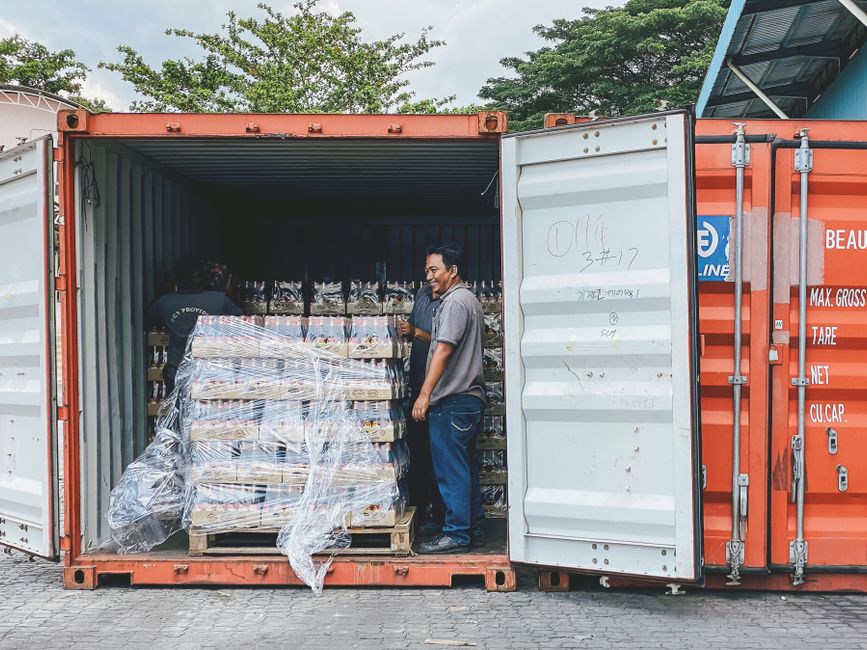
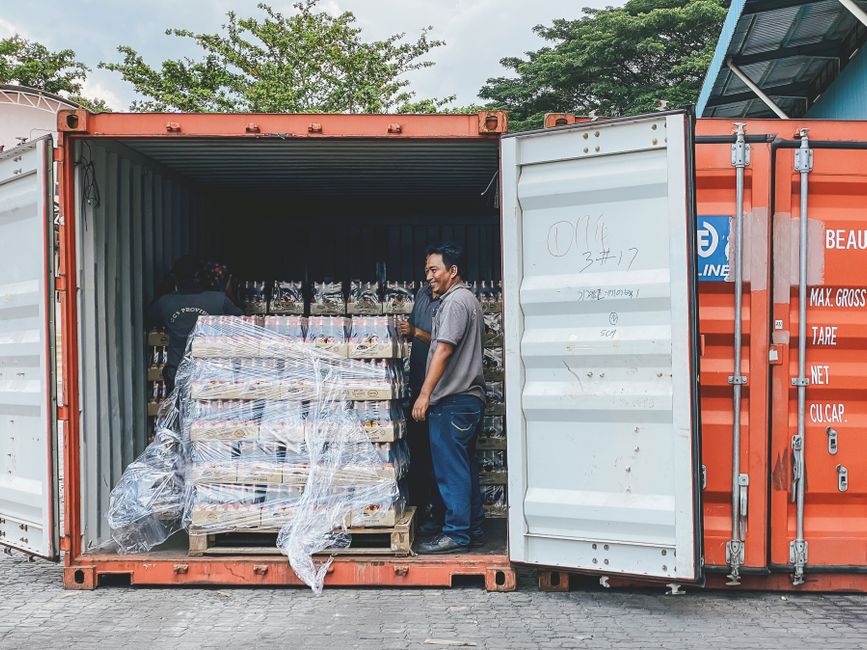
Photo by TwoSix ZeroFive on Pexels
In the competitive global marketplace, the journey of premium spices from their origin to international shelves is fraught with challenges. While the quality of the spice itself is paramount, its packaging plays an equally critical, often underestimated, role in determining success abroad. For exporters, international buyers, and food brands, understanding the intricacies of effective spice packaging for export India is not just a regulatory necessity but a strategic advantage. It's the silent ambassador of your brand, protecting the product, communicating its value, and ensuring it arrives in perfect condition, ready to captivate global palates. This guide delves deep into the multifaceted world of export spice packaging, offering insights to help you navigate this crucial aspect of international trade.
The Pillars of Effective Spice Export Packaging
Successful spice packaging for export hinges on three fundamental pillars: preservation, protection, and compliance. Neglecting any one of these can lead to product spoilage, damage during transit, or costly rejections at customs, ultimately harming your brand's reputation and bottom line.
Preservation & Shelf Life
Spices are delicate; they are susceptible to degradation from moisture, oxygen, light, and aroma loss. Effective packaging must create a robust barrier against these elements to maintain the spice’s potency, flavour, aroma, and colour throughout its extended shelf life, often spanning months or even years. This involves choosing materials with excellent barrier properties that prevent moisture ingress, oxygen permeation, and UV light exposure, all of which accelerate spoilage and diminish quality.
Protection During Transit
The journey from India to international markets can be long and arduous, involving multiple transfers, varying climatic conditions, and potential physical impacts. Packaging must be robust enough to withstand mechanical shocks, vibrations, compression, and changes in temperature and humidity. This isn't just about preventing spills; it's about safeguarding the structural integrity of the individual spice particles and preventing clumping or degradation due to environmental stress.
Regulatory Compliance
Every importing country has its own set of stringent food safety, hygiene, and packaging material regulations. Adhering to these is non-negotiable. This includes regulations concerning food-grade materials, permissible additives, chemical migration limits, and specific certifications (e.g., FDA approval for the USA, EFSA for Europe). Non-compliance can lead to shipment delays, hefty fines, or outright rejection, making thorough research and adherence critical for any premium spice packaging for export India.
Material Choices: Balancing Functionality, Cost, and Sustainability
The selection of packaging materials is a critical decision, influencing everything from product shelf life and transport resilience to brand perception and environmental impact. The right choice of material is paramount for effective spice packaging for export India, especially when considering the long supply chain.
Flexible Packaging
- Multi-layered Films & Pouches: These are highly popular due to their excellent barrier properties, lightweight nature, and versatility. They typically consist of layers of PET, aluminum foil, nylon, and LLDPE, offering superior protection against moisture, oxygen, and light. Stand-up pouches (SUPs) are particularly favoured for their shelf appeal and convenience.
- Vacuum Packaging: For certain spices, vacuum-sealed pouches can significantly extend shelf life by removing oxygen, thus inhibiting oxidation and microbial growth.
- Advantages: Cost-effective, lightweight (reducing shipping costs), versatile shapes and sizes,
Share:
Peri Peri Seasoning: The African-Indian Spice Fusion Taking India by Storm