


⏱️ Spice Shelf Life Chart: How Long Every Common Spice Lasts
Short answer: Whole spices last 2–4 years when stored correctly. Ground spices last 1–2 years. Dried herbs last 1–3 years. Spice blends last 1–2 years. However, these are quality benchmarks, not safety deadlines — most spices won't make you sick after expiry, but they lose the aroma and potency that makes them worth using. How you process, package, and store spices determines whether they hit the top or bottom of those ranges.
🕐 Why Spice Shelf Life Matters More Than You Think
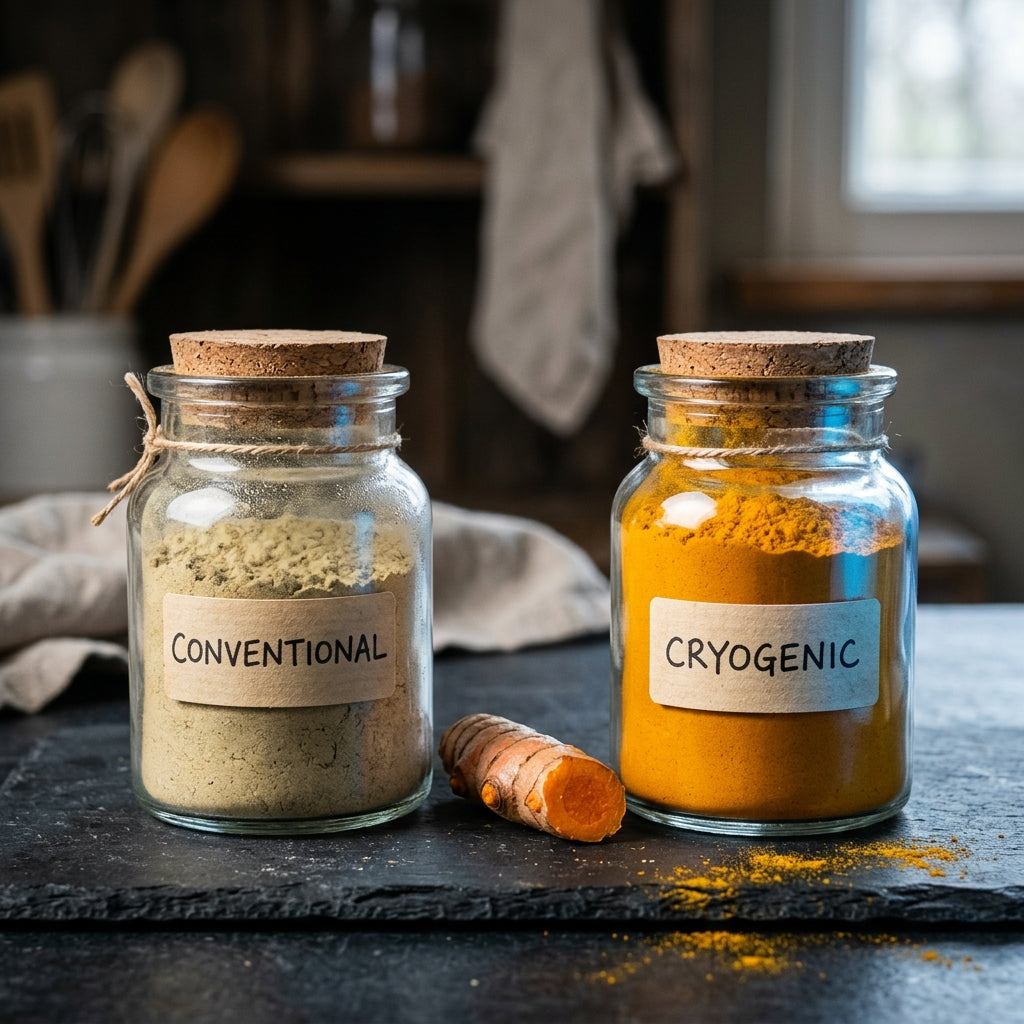
Using expired spices doesn't just mean slightly less flavor — it can mean no flavor at all, especially with ground spices that have completely lost their volatile oils. For home cooks, this translates to flat-tasting dishes. For food businesses, it means inconsistent product quality across production batches. The other underappreciated factor is that shelf life is heavily determined at the manufacturing stage, not just at storage. A ground turmeric processed cryogenically and packed in nitrogen-flushed moisture-proof packaging will stay potent for 18–24 months. The same turmeric ground conventionally and packed in thin plastic will lose much of its aroma within 6–9 months. At 365 Spicery, extending shelf life through better processing is as much a part of quality as the raw material itself.
📊 Spice Shelf Life Chart — 30 Common Spices
🌾 Whole Spices (Longest Shelf Life)
| Spice | Whole Shelf Life | Ground Shelf Life |
|---|---|---|
| Black Pepper (whole) | 3–4 years | 1–2 years |
| Cumin Seeds | 3–4 years | 1–2 years |
| Coriander Seeds | 3–4 years | 1–2 years |
| Cardamom (pods) | 2–3 years | 1 year |
| Cloves | 3–4 years | 1–2 years |
| Cinnamon (sticks) | 3–4 years | 1–2 years |
| Fennel Seeds | 3–4 years | 1–2 years |
| Mustard Seeds | 3–4 years | 1–2 years |
| Star Anise | 3–4 years | 1–2 years |
| Fenugreek Seeds | 3–4 years | 1–2 years |
🌶️ Ground Spices (Medium Shelf Life)
| Spice | Typical Shelf Life | Notes |
|---|---|---|
| Turmeric Powder | 1–2 years | Curcumin degrades with light and heat |
| Red Chilli Powder | 1–2 years | Capsaicin stable; color fades faster |
| Coriander Powder | 1–2 years | Loses aroma quickly if poorly processed |
| Cumin Powder | 1–2 years | Volatile oils sensitive to heat |
| Black Pepper Powder | 1–2 years | Piperine reduces significantly with age |
| Garam Masala (blend) | 1–1.5 years | Complex blends degrade faster |
| Paprika | 1–2 years | Color fades faster than heat |
| Ginger Powder | 1–2 years | Gingerol content reduces with age |
| Garlic Powder | 1–2 years | Absorbs moisture easily — seal tightly |
| Onion Powder | 1–2 years | Clumps if exposed to humidity |
🌿 Dried Herbs (Variable Shelf Life)
| Herb | Dried Shelf Life | Notes |
|---|---|---|
| Dried Oregano | 1–3 years | Volatile oils critical — check aroma |
| Dried Basil | 1–2 years | Color and aroma fade quickly |
| Dried Thyme | 1–3 years | Holds well if sealed airtight |
| Dried Rosemary | 1–3 years | Woody structure retains oils longer |
| Dried Bay Leaves | 1–3 years | Flavor diminishes gradually |
| Dried Mint | 1–2 years | Menthol content decreases with age |
| Dried Fenugreek Leaves | 1–2 years | Absorbs moisture; store carefully |
| Dried Curry Leaves | 6–12 months | Shortest shelf life among common herbs |
⚗️ Special Spices
| Spice | Shelf Life | Notes |
|---|---|---|
| Saffron | 2–4 years | Store in airtight glass away from light |
| Vanilla Pods | 2 years | Refrigerate in sealed container |
| Nutmeg (whole) | 3–4 years | Grate fresh; powder lasts 6 months |
| Mace | 2–3 years | Grate or grind fresh for best results |
🧪 What Actually Determines Spice Shelf Life
Three factors — beyond the spice itself — determine how long your spices stay potent:
- Grinding Method — Cryogenic grinding preserves 95%+ of volatile oils, dramatically extending the period of peak potency. Conventional grinding destroys up to 40% of these oils before the spice reaches the package.
- Packaging — Moisture-proof, airtight packaging with nitrogen flushing significantly extends shelf life. Thin plastic bags or loosely sealed glass accelerate oxidation and moisture absorption.
- Storage Conditions — Cool, dark, dry environments are essential. Every 10°C increase in storage temperature approximately doubles the rate of volatile oil degradation.
✅ Do's and ❌ Don'ts for Maximum Spice Shelf Life
| ✅ Do | ❌ Don't |
|---|---|
| Store in airtight glass or food-grade containers | Store spices directly above or beside the stove |
| Keep in a cool, dark cupboard away from sunlight | Leave lids open during or after cooking |
| Buy from cryogenic grinding manufacturers for longer life | Shake spices directly from the jar over a hot pan |
| Label containers with purchase date | Mix old and new batches of the same spice |
| Do the aroma test — rub and smell before using | Refrigerate ground spices — moisture condensation damages them |
💡 Expert Recommendation
The simplest and most reliable freshness test for any spice is the rub-and-smell method: take a pinch between your fingers, rub firmly for 2–3 seconds, and smell immediately. A fresh, potent spice releases a clear, strong aroma within one second of rubbing. If you have to inhale deeply or the smell is faint and dusty, the spice has degraded significantly and should be replaced. For food businesses managing large inventories, combine this with a FIFO (first-in, first-out) rotation system and a written purchase date on every container — the two habits that prevent the most common cause of flavor inconsistency in professional kitchens.
🧑🍳 From a Chef's Point of View
Sunita, head chef at a mid-scale restaurant in Hyderabad, used to rotate her spice stock by sight — if it looked fine, she kept using it. After a recipe audit revealed several ground spices were 14–18 months old, she ran a side-by-side aroma test. "The old cumin smelled like cardboard. We were adding more and more of it to hit the flavor, and still not getting there. Once we replaced everything with fresh cryogenically ground stock, our food costs actually went down — we needed less spice to achieve the same intensity." Old spices that require double the quantity to compensate are never the economical choice they appear to be.
🔑 Key Takeaways
- ⏱️ Whole spices: 2–4 years | Ground spices: 1–2 years | Dried herbs: 1–3 years
- 🌡️ Storage temperature, light, and moisture are the biggest shelf life killers
- ❄️ Cryogenic grinding extends peak potency period by preserving volatile oils at source
- 👃 The rub-and-smell test is the most reliable real-world freshness check
- 🔄 FIFO rotation + purchase date labeling prevents most food business consistency issues
📞 Source Spices That Last — From a Manufacturer You Can Trust
The best way to maximize spice shelf life is to start with spices that were processed right. 365 Spicery's cryogenically ground spices are lab-tested for volatile oil content, moisture, and purity before dispatch — and packed in moisture-proof, food-grade packaging that protects that quality until it reaches your shelf. If you're a food business, restaurant, or importer tired of inconsistent shelf life from your current supplier, we'd love to send you a sample. WhatsApp us at +91 72799 00500 or visit www.365spicery.com to request product samples and discuss wholesale, private label, or export pricing. FSSAI, FSSC 22000, and Halal certified. Mumbai-based. Export-ready.


Share:
Pizza Seasoning Guide: Ingredients, Uses & Blending Tips
How International Buyers Source Premium Spices from India