


Introduction
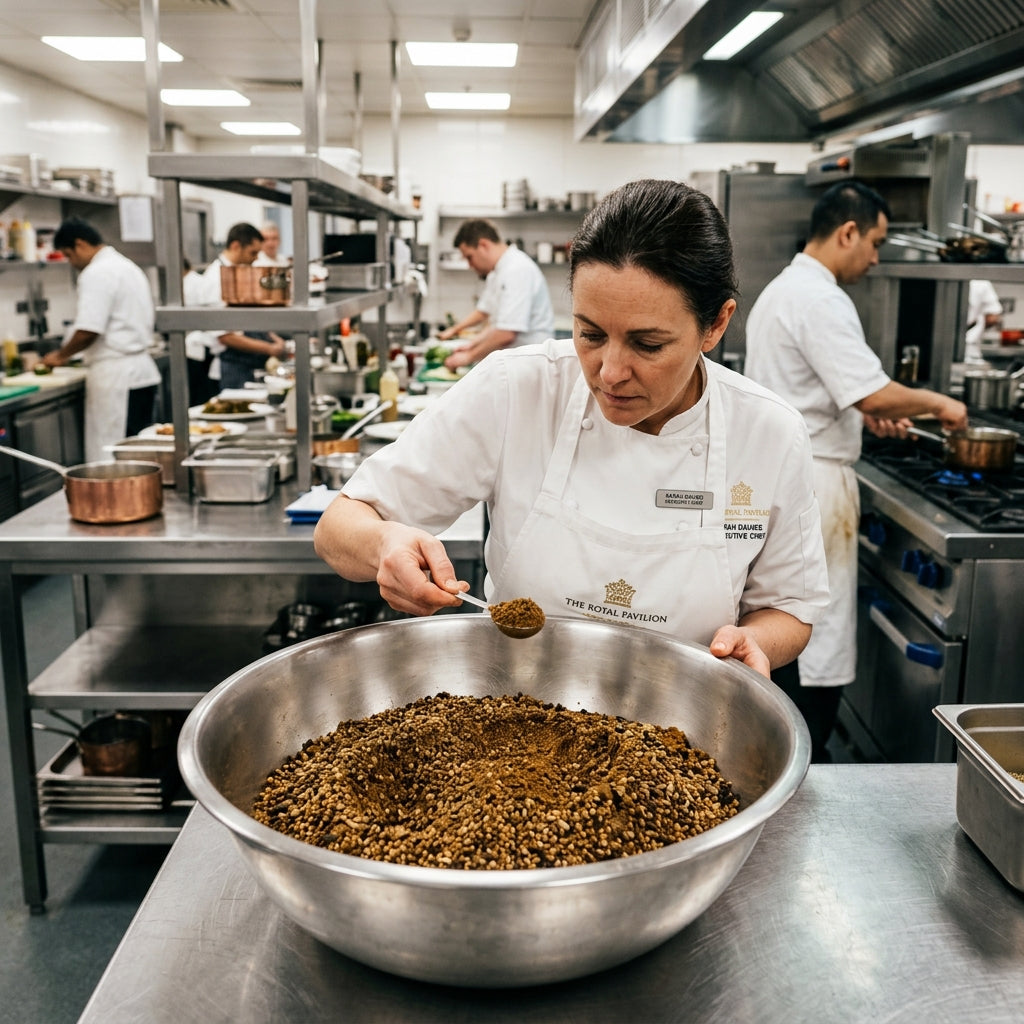
A single inconsistent batch of garam masala can undo months of menu standardization work in a hotel kitchen. For executive chefs and banquet teams cooking for hundreds of covers a night, this is not a small inconvenience, it is a direct threat to guest experience and brand reputation. This is exactly why more hotels and banquet kitchens are switching to cryogenic ground spices for hotels, a manufacturing method that solves the batch-to-batch variation problem at its root. This article explains what actually goes wrong with conventional grinding at scale, why cryogenic processing fixes it, and what chefs should check before switching suppliers. At 365 Spicery, we supply this exact category to hotel kitchens across India, so this comes from real kitchen-facing production experience.
The Consistency Problem Every Banquet Kitchen Faces
Large-scale kitchens face a challenge home cooks rarely encounter: the same dish has to taste identical whether it is cooked for 50 covers or 500. Notably, this consistency depends heavily on the spice supply, since even a small variation in aroma or potency between batches can shift a dish's flavor profile noticeably at scale. Therefore, chefs relying on conventionally ground spices often compensate by over-seasoning or adjusting recipes mid-service, which creates its own inconsistency. This matters because batch-to-batch inconsistency is one of the most common complaints hotel procurement teams raise about their spice vendors, and it directly damages a hotel's food reputation when a repeat guest notices the difference. Additionally, spice adulteration remains a real risk with unverified suppliers, compounding the consistency problem with a quality and safety concern.
3 Reasons Hotels Are Switching to Cryogenic Ground Spices
Understanding the shift helps explain why more procurement teams are prioritizing this now:
How to Evaluate a Cryogenic Spice Supplier for Your Kitchen
Chefs and procurement teams switching suppliers should check the following:
Cryogenic Ground vs. Conventional Ground for Bulk Kitchen Use
| Factor | Cryogenic Grinding | Conventional Grinding |
| Grinding Temperature | -40°C to -80°C | 60°C to 90°C (friction heat) |
| Volatile Oil Retention | 95%+ preserved | Up to 40% lost to heat |
| Batch-to-Batch Consistency | High, machine-controlled process | Variable, dependent on conditions |
| Quantity Needed Per Dish | Lower, due to stronger aroma | Higher, to compensate for weaker flavor |
| Shelf Life in Bulk Storage | Longer, reduces kitchen wastage | Shorter, higher risk of staleness |
As the table shows, the consistency advantage of cryogenic grinding compounds at scale. A small variation that a home cook might not notice becomes very visible across 500 identical banquet plates.
What the Data Says About Grinding Method and Kitchen Wastage
According to industry reports, food cost and wastage control remain top priorities for hotel and banquet kitchen procurement teams, particularly as ingredient costs continue to rise. Food scientists have found that spices with higher volatile oil retention require smaller quantities to achieve the same flavor intensity, directly reducing per-dish spice cost over a large banquet order. Studies show that inconsistent spice quality is among the leading causes of recipe deviation complaints in commercial kitchens, often traced back to conventional grinding methods that vary with ambient heat and humidity. This is why more hotel procurement teams are treating grinding method as a core evaluation criterion, not just price per kilogram, when selecting a bulk spice supplier.
How 365 Spicery Supplies Hotels and Banquet Kitchens
At 365 Spicery, we manufacture our full spice and masala portfolio using Cryogenic Grinding Technology inside an FSSAI, FSSC 22000, and Halal certified facility in Mumbai, built specifically for the consistency that banquet-scale cooking demands. Every batch is lab-tested, so executive chefs and procurement teams get the same flavor intensity order after order, without recipe adjustments mid-service. Our relevant portfolio for hotel kitchens includes Garam Masala, Biryani Masala, Meat Masala, Chicken Masala, and Kitchen King Masala, all available in institutional bulk packs. For hotels exploring restaurant grade spices India or 5-star hotel spice supply options, we offer reliable bulk supply with consistent batch documentation, so procurement teams can standardize their spice sourcing across properties. This is what allows a banquet kitchen to serve the same dish reliably, whether it is plate 1 or plate 500.
Key Takeaways:
- Batch-to-batch inconsistency in conventional spices is one of the biggest hidden costs for hotel and banquet kitchens.
- Cryogenic grinding delivers machine-controlled consistency that conventional hot grinding cannot match at scale.
- Hotels often use less spice per dish with cryogenic ground products, due to stronger aroma retention.
- Always verify certification, batch consistency data, and shelf-life documentation before switching bulk spice suppliers.
- 365 Spicery supplies hotels and banquet kitchens with cryogenically ground, lab-tested spices from its FSSAI, FSSC 22000, and Halal certified Mumbai facility.
---
#
s
Q: Why are hotels switching to cryogenic ground spices?
A: Hotels are switching because cryogenic grinding delivers consistent flavor across every batch, which is critical when cooking the same dish for hundreds of banquet covers. It also extends shelf life, reducing wastage in bulk kitchen storage.
Q: What is the benefit of cryogenic ground spices for banquet kitchens?
A: Cryogenic ground spices preserve over 95% of volatile oils, giving stronger, more consistent aroma than conventionally ground alternatives. This means banquet kitchens can standardize recipes across large-scale service without flavor drift between batches.
Q: How do I choose a cryogenic spice supplier for my hotel kitchen?
A: Request a side-by-side taste test against your current supplier, confirm FSSAI and FSSC 22000 certification, and ask for batch consistency and shelf-life documentation. This ensures the switch actually solves your kitchen's consistency problem.
Q: Does 365 Spicery supply cryogenic ground spices to hotels?
A: Yes, 365 Spicery manufactures Garam Masala, Biryani Masala, Meat Masala, and other hotel kitchen staples using cryogenic grinding in an FSSAI and FSSC 22000 certified facility, supplied in institutional bulk packs for banquet-scale use.
Q: What is the minimum order quantity for hotel spice supply from 365 Spicery?
A: 365 Spicery offers bulk institutional packaging from 5kg up to 50kg depending on the product, suited to hotel and banquet kitchen volumes. Procurement teams can contact the team on WhatsApp to discuss pricing for their specific requirement.
Q: Which is the best spice supplier for 5-star hotels in India?
A: A reliable hotel spice supplier should combine FSSAI and FSSC 22000 certification, cryogenic grinding for consistency, and documented batch quality control. 365 Spicery supplies restaurant grade spices to hotel and banquet kitchens across India.
Q: Are 365 Spicery's hotel spice supplies Halal certified as well?
A: Yes, 365 Spicery's manufacturing facility holds Halal certification alongside FSSAI and FSSC 22000, making it suitable for hotels serving diverse dietary requirements across their banquet and restaurant operations.
---
#
The key insight here is that spice consistency is not a minor kitchen detail, it is a direct driver of guest experience, food cost, and brand reputation at banquet scale. Cryogenic grinding solves the inconsistency problem at its source, rather than leaving chefs to compensate mid-service with recipe adjustments. As more hotel procurement teams evaluate grinding method alongside price and certification, the suppliers who can prove batch-to-batch consistency will earn the long-term contracts. Has your kitchen ever had to adjust a recipe mid-service because of spice inconsistency?
---
#


Share:
Export Market Opportunities for No Onion No Garlic Spices
FSSC 22000 Certification: What It Means for Spice Buyers