


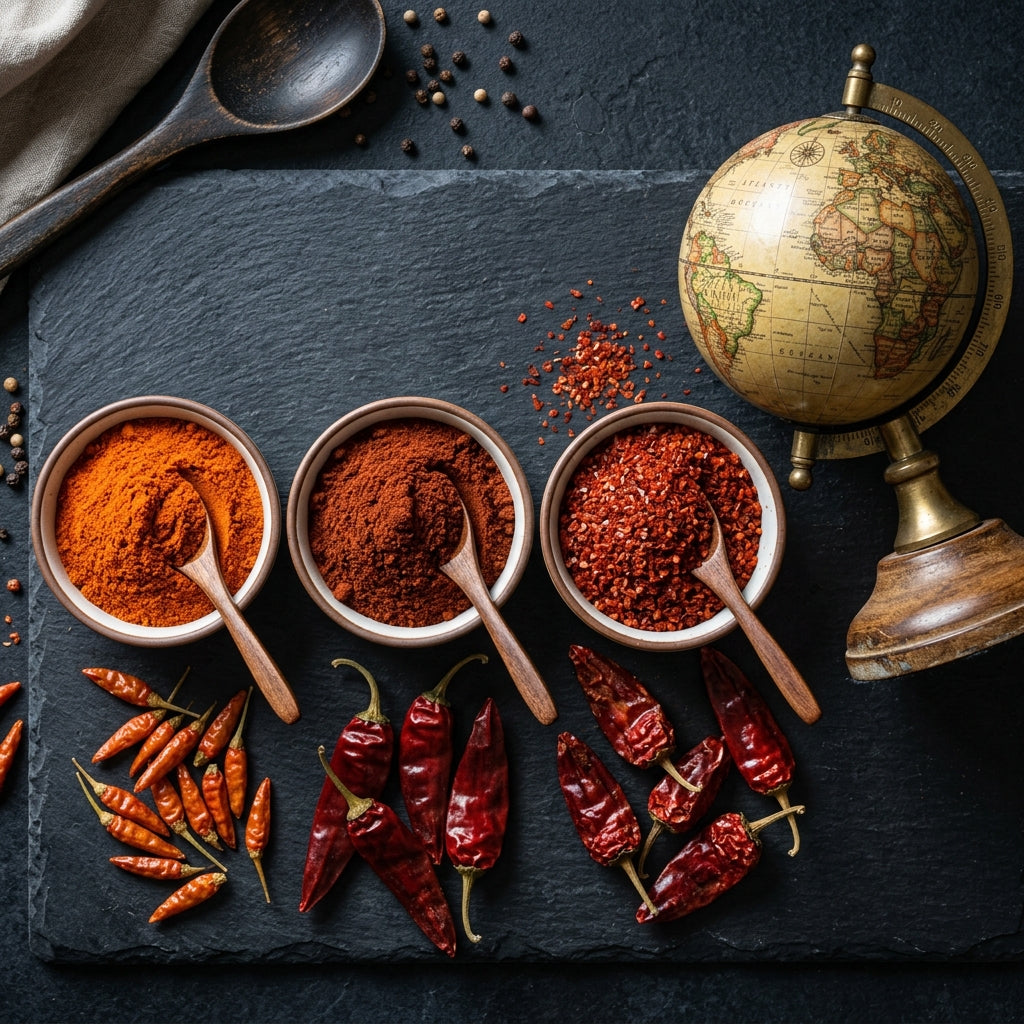
🌶️ Cayenne, Paprika & Gochugaru: The Ultimate Global Chili Powder Guide
To the untrained eye, three jars of red powder on a spice rack might look interchangeable. But substitute cayenne pepper for paprika in a Hungarian goulash, and you will ruin the dish. Substitute paprika for gochugaru in Korean kimchi, and the fermentation will fail while the flavor falls flat. Despite all being ground red peppers from the Capsicum annuum family, Cayenne, Paprika, and Gochugaru represent three entirely different culinary philosophies, processing methods, and flavor profiles. Here is the ultimate guide to understanding the global big three.
🌍 Origins and Processing: How They Are Made
1. Paprika (The Color & Smoke Specialist)
Paprika is primarily associated with Hungary and Spain, though the peppers originated in the Americas.
- Processing: In Hungary, sweet red peppers are dried in the sun or with hot air and ground into a fine powder. In Spain (where it is called Pimentón), the peppers are often slowly smoke-dried over oak fires for two weeks before milling.
- Goal: To maximize the vivid red color (ASTA) and deliver a sweet, fruity, or smoky flavor with minimal to zero heat.
- Processing: The chilies are harvested when bright red, dried rapidly, and ground into an ultra-fine powder.
- Goal: To deliver a sharp, highly concentrated, standardized dose of pure capsaicin (heat) without altering the underlying flavor of the dish.
- Processing: Korean red chilies are sun-dried (taeyang-cho is the premium sun-dried variety), de-seeded, and ground. Crucially, they are often ground coarsely into flakes rather than a fine powder, retaining some natural oils.
- Goal: To provide a complex, fruity sweetness, a moderate, warming heat, and a distinct visual texture.
2. Cayenne Pepper (The Heat Deliverer)
Named after the city of Cayenne in French Guiana, this is a specific, long, skinny, and very pungent chili variety used heavily in the Americas and India.
3. Gochugaru (The Textural Fusion)
The undisputed king of Korean cuisine, essential for everything from kimchi to tteokbokki.
📊 The Ultimate Comparison Table
How do you choose between them for a specific recipe or commercial formulation? Here is the breakdown:
| Spice | Heat Level (SHU) | Flavor Profile | Best Culinary Uses |
|---|---|---|---|
| Sweet Paprika | 0 – 500 (Very Mild) | Sweet, fruity, red bell pepper notes. | Goulash, deviled eggs, commercial colorant. |
| Smoked Paprika | 0 – 1,000 (Mild) | Deep oak wood smoke, savory, umami. | Paella, BBQ dry rubs, vegan meat alternatives. |
| Gochugaru | 1,500 – 10,000 (Moderate) | Fruity sweetness, gentle lingering warmth. | Kimchi, Korean stews, modern fusion tacos. |
| Cayenne Pepper | 30,000 – 50,000 (Hot) | Sharp, clean, immediate biting heat. | Hot sauces, buffalo wings, spicy snack coatings. |
✅ Do's and ❌ Don'ts for the Kitchen
| ✅ Do | ❌ Don't |
|---|---|
| Blend Paprika and Cayenne together. Use paprika for the bulk color and base flavor, and cayenne to dial in the exact heat you want. | Substitute them 1:1. 1 Tablespoon of Paprika adds flavor; 1 Tablespoon of Cayenne will render a family meal inedible. |
| Use Gochugaru for marinades and pastes. Its slightly coarse, moist texture binds beautifully with soy sauce, garlic, and sesame oil. | Use Cayenne if you want a complex, fruity flavor. Cayenne is a one-trick pony designed purely for sharp heat. |
| Store all three in a cool, dark place. Light degrades the red color (ASTA) and heat degrades the flavor oils. | Use Smoked Paprika in delicate dishes (like a light fish soup). The smoke phenols will completely overpower the dish. |
💡 Expert Insight: Standardizing the Spice Rack
For commercial food manufacturers and restaurants, the biggest challenge with global chilies is agricultural variance. A batch of cayenne bought in the summer might be 20% hotter than a batch bought in the winter. To maintain a consistent product (whether it's a bottled hot sauce or a restaurant curry), professional buyers do not buy generic spices. They buy "Standardized" spices from premium suppliers, guaranteeing a specific ASTA color rating and a specific SHU heat rating year-round.
📞 Source the World's Best Chilies from 365 Spicery
Whether you need the sharp, standardized heat of Cayenne, the vivid red color of High-ASTA Paprika, or the authentic fruity flakes of Gochugaru, 365 Spicery is your global partner. We process and export premium, FSSC 22000 certified spices for the world's leading food brands, restaurants, and private label manufacturers. WhatsApp: +91 72799 00500 | www.365spicery.com
---
Share:
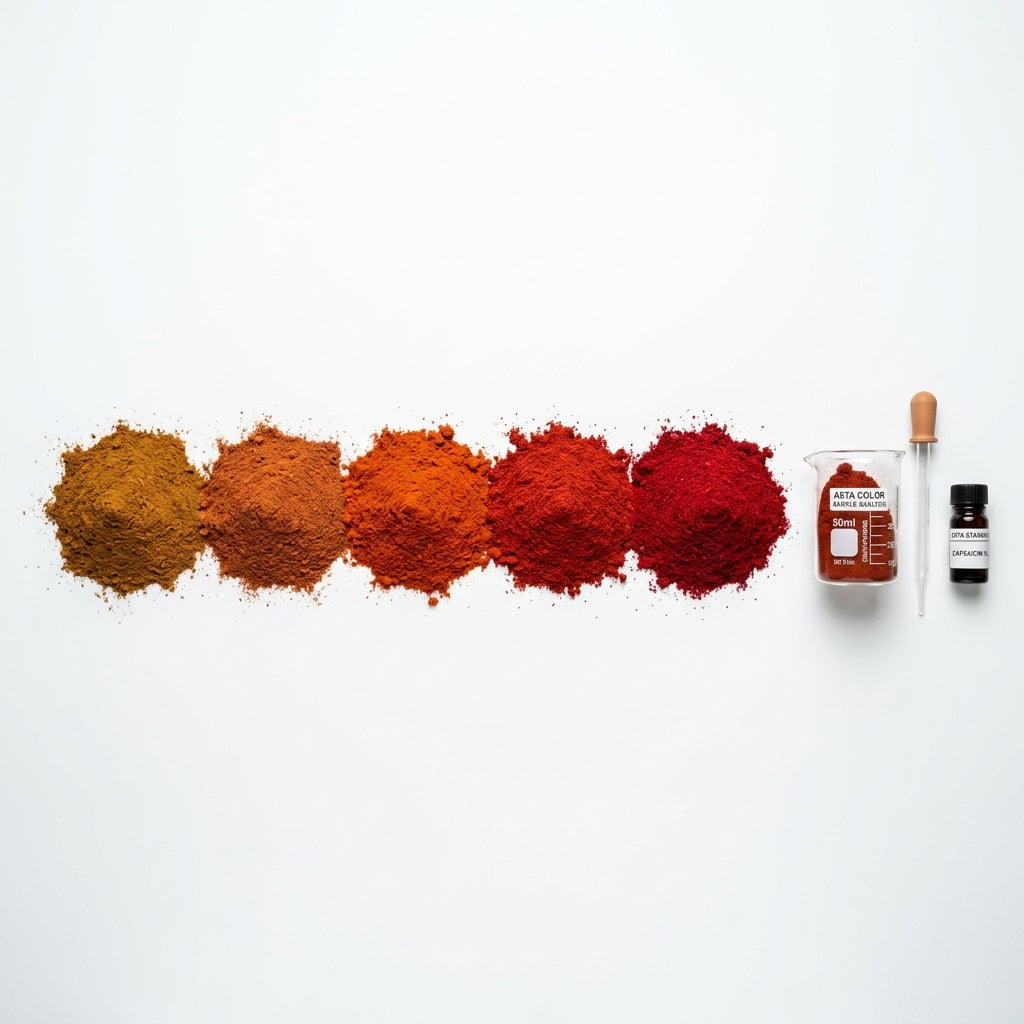
Why Chili Powder Colors Differ: ASTA & Spice Quality
Why Chili Powder Colors Differ: ASTA & Spice Quality